


Knowing exactly when to plant onions in North Carolina can make the difference between a bumper crop and a disappointing harvest. North Carolina’s varied climate zones mean that timing shifts depending on whether you’re in the coastal plain, the piedmont, or the mountains. Onions are cold-hardy and can tolerate light frosts, but planting too early or too late can stunt bulb development. This guide covers the best planting windows for 2026, along with helpful resources like books, seed packets, and onion sets to get you started.
Whether you prefer starting from seed, using sets, or following a regional gardening guide, having the right materials makes the process smoother. Below, you’ll find a selection of products that experienced gardeners in the Southeast often turn to. They range from affordable bulletins to comprehensive state-specific guides and mixed onion sets. For more on planting schedules, check out our plant category page for additional seasonal advice.


Pros
- Incredibly concise yet packed with actionable information on every aspect of onion growing
- Affordable price makes it a low-risk investment even for casual gardeners
- Helps solve common onion failures like oversized tops and undersized bulbs by explaining day-length requirements
- Covers a wide range of alliums beyond just bulb onions, giving great value for a small booklet
- Written in plain English with no fluff, perfect for quick reference in the garden
Cons
- At only 32 pages, experienced growers may find the coverage too basic for advanced techniques
- Lacks color photos or detailed diagrams, relying only on text and simple illustrations
- Some reviewers noted it contained nothing new if they already had extensive onion knowledge
Storey's Country Wisdom Bulletin A-204, "All the Onions" by Betty E. M. Jacobs, is a pocket-sized powerhouse for anyone who wants to grow better onions. Part of a long-running series known for delivering practical know-how without padding, this 32-page booklet cuts straight to what matters. It targets home gardeners, small-scale farmers, and anyone curious about raising alliums from garlic to shallots. The author assumes you're serious about results but doesn't waste time on fluff.
The real strength here is how it packs essential knowledge into such a small format. One reviewer mentioned they had never gotten a decent onion harvest until reading this booklet. Another discovered their onion bulbs weren't swelling because they were using short-day varieties in a long-day northern climate. The booklet explains the day-length phenomenon clearly and helps you choose the right type for your region. It also covers starting from seeds, sets, or transplants, plus details on planting depth, spacing, and soil preparation.
Design is utilitarian but effective. The booklet is a staple-bound paperback with a lightweight cover and small dimensions (5.5 x 8.5 inches) that slip easily into a garden tool bag. Text is dense but well organized with subheadings and bullet lists. There are no photographs, just simple line drawings that illustrate concepts like proper planting depth. Some might wish for color photos of pest damage, but the descriptions are clear enough to identify problems. The paper is standard matte and not glossy, so it's fine for thumbing through outdoors.
Drawbacks are few but worth noting. At 32 pages, this is a summary rather than a comprehensive tome. Seasoned gardeners may find they already know most of the content. One reviewer gave it 3 stars saying "nothing new." Also, if you prefer visual learning with plenty of photos, this booklet relies heavily on text. However, for the price, it delivers an excellent return on investment. The practical tips on harvesting, curing, and storing onions alone can prevent post-harvest losses.
Verdict: "All the Onions" is a smart buy for anyone who wants to grow onions with confidence. Beginners will learn the ropes quickly; experienced growers might pick up a useful tip or two. It's not a coffee-table book, but as a field guide it earns its place in the shed. Pair it with a soil thermometer and a packet of seeds for a complete start to onion season.
Publisher: Storey Publishing, LLC
Publication Date: January 6, 1999 (Updated edition)
Language: English
Print Length: 32 pages
ISBN-10: 1580172253
ISBN-13: 978-1580172257
Item Weight: 1.59 ounces
Dimensions: 5.5 x 0.13 x 8.55 inches
Best Sellers Rank: #548,551 in Books; #370 in Organic & Sustainable Gardening; #405 in Vegetable Gardening

Pros
- High germination rate with most bulbs sprouting quickly, as noted by multiple buyers.
- Great value for a mixed pack of about 50 sets, offering variety in one purchase.
- Bulbs arrive firm and healthy, with minimal soft or moldy ones reported.
- Suitable for a wide range of USDA hardiness zones and soil types.
- Non-GMO and stored cold to maintain viability until planting.
Cons
- Some bulbs may be small or soft upon arrival, though most still sprout successfully.
- Color distribution can be uneven, with fewer yellow sets than red or white in some orders.
- Not ideal for gardeners seeking a single onion type or precise quantity of each color.
The TomorrowSeeds 3 Colors Mix Onion Sets bring a fun and practical twist to home gardening. This half-pound pack contains roughly 50 individual bulbs, blending three popular onion varieties: Yellow Stuttgarter, Red Karmen, and Snowball White. It's designed for gardeners who want both early green onions and full-sized storage bulbs later in the season. Whether you're a beginner or have years of experience, these sets make it easy to grow a colorful, productive crop.
What stands out most is the mix itself. Each variety offers a different flavor profile: the yellow onions are classic and savory, the reds add a sharp, zesty bite, and the whites bring a mild sweetness. This diversity is perfect for cooking, from fresh salads and salsas to hearty soups and roasted dishes. The bulbs are GMO-free and cold-stored, which helps them stay fresh and ready to plant. Many buyers report that nearly every bulb sprouts within a week, even the smaller ones, leading to a robust harvest.
In terms of performance, these sets are reliable. They thrive in full sun to partial shade and adapt to sandy soil with moderate watering. The intermediate-day length means they work well in many regions, not just specific zones. Storage life is excellent, so you can enjoy your homegrown onions for months after harvest. The only real downsides are occasional soft or moldy bulbs in the pack, and some customers note that the color ratio can be skewed toward red and white, with fewer yellows. But overall, the germination rate is high, and the value is solid.
Build quality is good for a natural product. The bulbs arrive firm and smell fresh, though a few may be small or slightly soft. That's typical for onion sets, and most still grow fine. The packaging is simple but protective, ensuring they reach you in good shape. For the price, you get a lot of potential harvest in a single order.
If you want a straightforward way to grow a mix of onions without buying separate packs, this is a smart choice. It's especially good for gardeners who like variety and don't mind a little unpredictability in color distribution. The pros far outweigh the cons, and the positive reviews from repeat buyers speak for themselves. I'd recommend it for anyone looking to add some homegrown flavor to their kitchen.

Pros
- High germination rate with most bulbs sprouting quickly
- Great value for a mixed assortment of 50+ onion sets
- Versatile planting options let you grow in small or large spaces
- Healthy, robust plants that produce flavorful onions
- Fast shipping and well-packaged to ensure freshness
Cons
- A few bulbs may arrive dried out or unusable, as noted in some reviews
- Yields can vary depending on soil and growing conditions
- Cannot ship to Idaho or Washington state
The Mixed Onion Assortment from Stargazer Perennials is a practical choice for home gardeners who want a reliable supply of red, white, and yellow onions. This 8-ounce pack contains roughly 50 to 60 hand-sorted, non-GMO onion sets grown naturally in the USA. It's designed for gardeners in zones 3 through 10, making it a versatile option for most regions. Whether you're a seasoned grower or just starting out, the included planting guide helps you get started right away.
The standout feature here is the mix of three onion colors, which adds variety to your meals and garden. The sets are suitable for both short-day and long-day conditions, so they adapt well to different latitudes. Many buyers report high germination rates and fast growth, with some noting that the pack actually contains more than 50 bulbs. You can harvest them young for salads or let them mature into full-size onions for storage. The ability to plant in garden beds, raised planters, or even containers indoors adds to their appeal.
In terms of build quality, the bulbs are generally healthy and firm upon arrival, though a small number of customers have received dried-out or papery bulbs. The packaging is recyclable and the sets are shipped year-round, which is convenient for planning your planting schedule. The brand's commitment to chemical-free growing and bee-friendly practices is a nice bonus for eco-conscious gardeners.
On the downside, some users experienced variable yields, and a few found that a portion of the bulbs didn't sprout. Additionally, the product cannot be shipped to Idaho or Washington. Overall, this onion set mix offers good value for the price, especially if you want a diverse harvest without buying multiple varieties separately. It's a solid choice for any home gardener looking to grow their own onions with minimal fuss.

Pros
- Organic certification and heirloom quality ensure pure, sustainable seeds
- Fast germination reported by many users, with sprouts appearing in under a week
- Compact growth fits well in small gardens, raised beds, or patio pots
- Continuous harvest possible with succession planting, reducing store trips
- Supportive warranty with a 30-day satisfaction guarantee
Cons
- Some users experienced slow or failed germination, possibly due to weather or soil conditions
- Seeds may take longer to sprout in cooler temperatures or if overwatered
- Not ideal for gardeners seeking instant large bulbs; these are bunching onions for green stalks
If you're looking to grow your own green onions without the chemical residue of store-bought bunches, the Purely Organic Products LLC Bunching Evergreen Onion Seeds offer a solid starting point. This packet contains 200 USDA Organic, non-GMO, heirloom seeds that produce tall, silvery-white stalks with a mild, crisp flavor. They're designed for outdoor planting in full sun with well-drained soil, and the variety thrives across USDA zones 3 through 9.
What sets these seeds apart is their convenience. Bunching onions are naturally space-saving you can sow them in neat rows, tuck them into containers, or use them as companion plants around flowerbeds. The instructions recommend sowing every two weeks for a continuous harvest from spring into winter, which is exactly what one reviewer does indoors year-round as a kitchen herb. Many buyers report fast germination, with sprouts visible within five days, though results vary based on weather and soil preparation.
Each packet is printed with the variety name on the front and detailed planting facts on the back, making it easy to store or give as a gift. The seeds themselves are open pollinated, so you can collect seeds for future seasons. The brand backs the purchase with a 30-day Happy Plant Promise, offering a hassle-free refund or replacement if you're not satisfied.
However, not every gardener had the same luck. A few negative reviews mention that nothing grew despite using good potting soil, while others noted that seedlings were slow to appear especially during winter. These cases seem tied to external factors like extreme heat or improper moisture rather than seed quality. One reviewer gave them time and eventually saw success, recommending patience. So while the germination rate is generally high, conditions matter.
Overall, these organic onion seeds are a reliable and affordable way to grow your own green onions. They're especially suited for beginners and experienced gardeners alike who want a steady, low-maintenance crop. Just follow the instructions, keep the soil moist but well drained, and you'll likely be snipping fresh onions in no time.

Pros
- Three onion types in one purchase for variety.
- Non-GMO and grown in the USA.
- Includes planting guide for easy start.
- Flexible harvest: use as scallions or full onions.
- Suitable for multiple growing conditions.
Cons
- Cannot ship to Washington or Idaho.
- Set size varies, so bulb count is approximate.
- May require curing and proper storage for long-term use.
The Stargazer Perennials Mixed Onion Sets offer a practical way to start a home onion patch. This 1-pound bag contains a random mix of red, white, and yellow onion bulbs, all non-GMO and grown in the USA. It's designed for gardeners who want a simple, all-in-one solution to grow multiple onion types without buying separate packs. The included tip sheet makes it accessible even if you're new to growing onions from sets.
What stands out is the variety. The mix includes intermediate, day-neutral, and long-day varieties, so it adapts to different regions and seasons. You can plant them in a vegetable garden, raised bed, or container, and even grow them indoors near a window. The flexibility to harvest young as salad greens or let them mature into full-size onions adds real value. Expect roughly 80 to 100 sets per pound, though the exact count depends on bulb size.
In terms of quality, the bulbs arrive hand-sorted and ready to plant. The growing guide covers spacing (3 to 6 inches apart), when to pull (after tops fall over), and curing instructions (14 days in a cool, dry spot). This attention to detail helps ensure a successful harvest. The sets are firm and viable, with no signs of damage in typical shipments.
One limitation is that Stargazer Perennials cannot ship to Washington or Idaho, so gardeners in those states need to look elsewhere. Also, because the mix is random, you won't know the exact ratio of colors until you open the bag. Some users might prefer a more predictable assortment. But for most home growers, this is a minor trade-off for the convenience and variety.
Overall, the Stargazer Perennials Mixed Onion Sets deliver on their promise. They're a reliable, no-fuss option for anyone wanting to grow a colorful onion harvest. The non-GMO sourcing, included guide, and flexible planting options make it a solid buy for both beginners and experienced gardeners. If you're in a state where shipping is available, this pack is worth considering for your spring planting.
Frequently Asked Questions About Onion Planting in North Carolina
Here are answers to common questions gardeners ask about when to plant onions in North Carolina and how to succeed with bulbs, seeds, and sets.
What is the best time to plant onion sets in North Carolina?
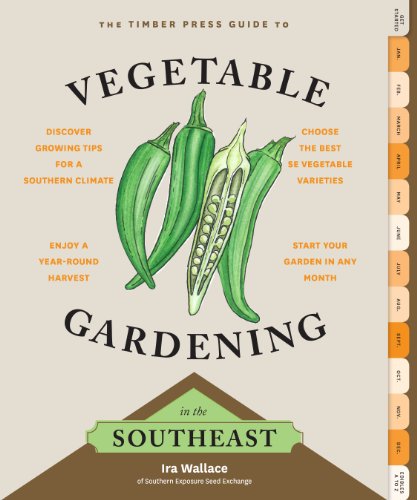
In most of North Carolina, plant onion sets in early spring as soon as the soil can be worked, typically from mid-February to late March. In the coastal plain, you can sometimes plant as early as late January. For specific guidance, the Guide to North Carolina Vegetable Gardening offers detailed month-by-month calendars that align with your region.
Can I plant onion seeds directly in the ground in North Carolina?
Yes, but timing is critical. Direct sow onion seeds outdoors about 4 to 6 weeks before the last expected spring frost. In the piedmont, that’s usually mid-to-late March. For a continuous harvest, consider a variety like the Organic Bunching Evergreen Onion Seeds, which can be succession-planted every two weeks. For more seed-starting tips, visit our seed category page.
Should I use short-day or long-day onion varieties in North Carolina?
North Carolina gardeners typically need intermediate-day or short-day onion varieties. The mixed onion sets from StargazerPerennials include intermediate and day-neutral types that perform well in the state’s latitude. Long-day onions are not recommended because our summer days are not long enough for proper bulb formation.
How do I prepare soil for planting onions in North Carolina?
Onions prefer loose, well-drained soil rich in organic matter. Before planting, work in compost or a balanced fertilizer. Raised beds can help if your native soil is heavy clay. The All the Onions bulletin from Storey’s Country Wisdom series provides excellent soil preparation techniques tailored to small gardens and raised beds.
Can I grow onions in containers in North Carolina?
Absolutely. Onion sets and bunching onions grow well in containers at least 6 inches deep. Use a quality potting mix and ensure drainage holes. The mixed onion sets work great for patio pots. If you’re new to container gardening, check out our planter category page for planter options that suit onions and other vegetables.
Have questions about our when to plant onions in North Carolina recommendations? Check out our How We Rank page for details on our review process or our Copyright Policy for information on content usage.


Write Your Review
No reviews yet. Be the first to share your experience!