


If you’ve ever wondered how to plant seeds from a pumpkin, you’re in good company. It’s a rewarding project that connects you to the full cycle of growing your own food or autumn decor. Whether you saved seeds from a carving pumpkin or bought a packet of heirloom varieties, the process is simple but does require a few key steps for success. Many gardeners struggle with germination rates or spacing, but with the right seed selection and a bit of patience, you’ll be harvesting pumpkins in a few months.
This guide covers the best practices for planting pumpkin seeds indoors or directly in the garden, plus we’ve gathered a variety of seed packets and a helpful book to get you started. Whether you want giant pumpkins for carving, mini varieties for tabletop displays, or sweet pie pumpkins, there’s an option here for you. Before diving into the products, explore our best plant food for mums to keep your fall garden thriving alongside your pumpkin patch.

Pros
- High germination rate reported by many users, with some seeing sprouts in just days
- Excellent variety of shapes and colors for both eating and decoration
- Seeds are heirloom and non-GMO, supporting sustainable gardening
- Plants can be very vigorous, with vines growing up to 40 feet in ideal conditions
- Versatile culinary uses from pies and soups to roasting seeds
Cons
- Seeds come mixed together in one packet, making it hard to identify varieties until harvest
- Some users experienced low germination or no sprouts, possibly due to soil or spacing issues
- Mixed packet means if a specific variety fails to sprout, you may miss out on that type entirely
The HOME GROWN Pumpkin Seeds 5 Variety Mix is a thoughtfully curated collection for gardeners who want both beauty and utility from their pumpkin patch. With 40 heirloom, non-GMO seeds spanning five distinct varieties, this pack offers a little something for everyone: the classic Connecticut Field for big Jack-o'-Lanterns, the striking Blue Harvest with its blue-gray skin, the bright Yellow Paris for pies, the white Casper for carving and painting, and the miniature Jack Be Little for decor and individual dishes. It's an ideal choice for home gardeners looking to experiment with different pumpkin types without buying multiple packets.
Real-world performance has been a mixed bag based on user feedback. Many reviewers report excellent germination rates, with seeds sprouting in just a few days and plants growing vigorously. One gardener noted a single vine stretched 40 feet in four months, with bees actively pollinating every flower. However, others experienced disappointing results, with some seeds failing to germinate at all. A common frustration is that all five varieties come mixed together, making it impossible to separate them before planting. This means you might end up with an uneven distribution of types, and if a particular variety's seeds don't sprout, you lose that option entirely. Proper spacing and soil preparation seem critical for success.
The seeds themselves are high quality: heirloom, untreated, and open-pollinated, grown in the USA. The varieties are well-chosen for both visual appeal and culinary value. Connecticut Field pumpkins can reach 25 pounds and are rich in beta-carotene, perfect for pies and soups. Blue Harvest offers dense, sweet orange flesh with a nutty flavor, while Yellow Paris is tender and low in calories. Casper's white skin is a blank canvas for Halloween designs, and Jack Be Little mini pumpkins have a sweet, nutty taste ideal for stuffing or baking whole. The pack also includes a grow guide, which adds value for beginners.
On the downside, the lack of seed separation is a notable drawback. Some users also reported that only half the seeds germinated, and a few experienced zero sprouts. This could be due to planting conditions, but it's worth noting that germination isn't guaranteed for every seed. Additionally, the vines can become quite large, so adequate spacing is essential. A few reviewers mentioned that their plants grew leaves and flowers but didn't fruit, likely because of overcrowding or pollination issues.
Overall, the HOME GROWN Pumpkin Seeds 5 Variety Mix is a solid choice for gardeners who want a diverse, heirloom pumpkin harvest from a single packet. The quality of the seeds is generally good, and the variety is excellent for both eating and decoration. Just be prepared to handle the mixed seed situation by maybe planting them in labeled sections or waiting until the pumpkins develop to identify them. If you're willing to put in a bit of extra planning, this pack offers a rewarding and colorful autumn harvest.

Pros
- Excellent germination rate, with many customers seeing sprouts within 3-4 days.
- Can produce pumpkins over 100 pounds with proper care, ideal for contests.
- Dual-purpose: good for both carving and cooking with sweet flesh.
- Non-GMO heirloom seeds from a trusted brand with a satisfaction guarantee.
- Includes detailed instructions and customer support for any questions.
Cons
- Some users reported no germination, possibly due to inconsistent seed quality or growing conditions.
- Requires significant garden space (4-6 feet apart) and full sun, not suitable for small plots.
- Packet weight is only 5 grams (about 20 seeds), so you may need multiple packets for a large patch.
The Sow Right Seeds Big Max Pumpkin packet is a straightforward entry point for anyone wanting to grow a giant pumpkin. This non-GMO heirloom variety is designed to produce fruit that can exceed 100 pounds in about 110 days, making it a favorite for fall contests and decorations. It's equally suited for carving or cooking, with firm sweet flesh that works well in pies and soups. This packet is ideal for home gardeners who have room to spare and want a reliable, productive pumpkin plant.
Standout features include the high germination rate noted by many users, with sprouts often appearing within 3-4 days of planting. The seeds are easy to start, and the plants grow rapidly with large green leaves, covering 10-15 feet of ground. Customers have reported pumpkins ranging from 30 to 76 pounds, showing the variety's potential. The packet includes clear instructions, and the brand offers responsive customer support if issues arise.
Design and build quality are solid: the seeds come in a full-color packet that is both informative and attractive. Sow Right Seeds operates a solar-powered facility and takes the Safe Seed Pledge, ensuring the seeds are non-GMO and sustainably produced. The only minor drawback is the packet size (5 grams, about 20 seeds), which may not be enough for a large patch. Additionally, a small number of users reported no germination, though this could be due to soil temperature or watering issues.
For gardeners with ample space and a desire for a giant pumpkin, this packet is a reliable choice. The seeds are easy to grow, produce impressive results, and the brand stands behind them. Just make sure you have a sunny spot with regular water and enough room for the vines to spread.

Pros
- High germination rate - many buyers report nearly 100% sprouting.
- Organic and heirloom quality - no GMOs or synthetic treatments.
- Affordable price for 25 seeds - less than a coffee.
- Can produce very large pumpkins for shows or cooking.
- Detailed growing instructions included for beginners.
Cons
- Some users experienced low germination - results may vary with conditions.
- Vines spread up to 6 feet, so need plenty of garden space.
- Not ideal for small gardens or containers without room for sprawling vines.
The KVITER Big Max Pumpkin seeds offer an exciting opportunity for home gardeners to grow massive pumpkins weighing up to 100 pounds. This heirloom, organic variety is perfect for those who want to create a stunning fall display or enjoy homegrown pumpkin for pies, breads, and roasted seeds. Whether you're a seasoned gardener or a beginner with space to spare, these seeds are a fun and rewarding project.
Standout features include the manageable vine size - plants top out at 18 inches tall with a 72-inch spread - making them suitable for larger garden beds. The seeds are non-GMO, heirloom, and certified organic, ensuring a natural growing process. Many users report excellent germination rates, with seedlings appearing in 7-14 days when sown directly after the last frost. The dense, sweet flesh is a highlight for cooking, and the bright orange rind makes for eye-catching jack-o'-lanterns or harvest decorations.
Real-world performance is generally strong, with thousands of reviews averaging 4.2 out of 5 stars. Most customers praise the health of the seedlings and the ease of growth. However, a few note lower germination success, which can be influenced by soil quality or watering practices. To maximize results, follow the planting guide: thin seedlings to the strongest 2-3 per hill, water consistently, and consider limiting each vine to one fruit for truly giant pumpkins.
Design and build quality of the seeds themselves is solid - they come in a resealable packet with clear instructions. The seeds are plump and viable, and the company stands behind their product. One drawback is the space requirement: vines spread up to 6 feet, so this isn't for small gardens or container growing. Also, the large pumpkins need full sun and fertile soil to reach their potential.
Overall, KVITER's Big Max Pumpkin seeds are a great buy for gardeners with room to grow. They deliver on the promise of big, tasty pumpkins at a low price. Just ensure you have the space and patience to tend them, and you'll likely be rewarded with an impressive harvest.
Pros
- Comprehensive coverage of the entire seed-starting process.
- Clear, easy-to-understand language with practical advice.
- Includes advanced techniques not found in many beginner guides.
- Focus on organic and sustainable gardening practices.
- Troubleshooting section helps solve common problems.
Cons
- Only one customer review so far, so long-term feedback is limited.
- At 179 pages, it may not cover every niche topic in extreme depth.
- The paperback dimensions (6 x 0.41 x 9 inches) might be a bit small for some readers.
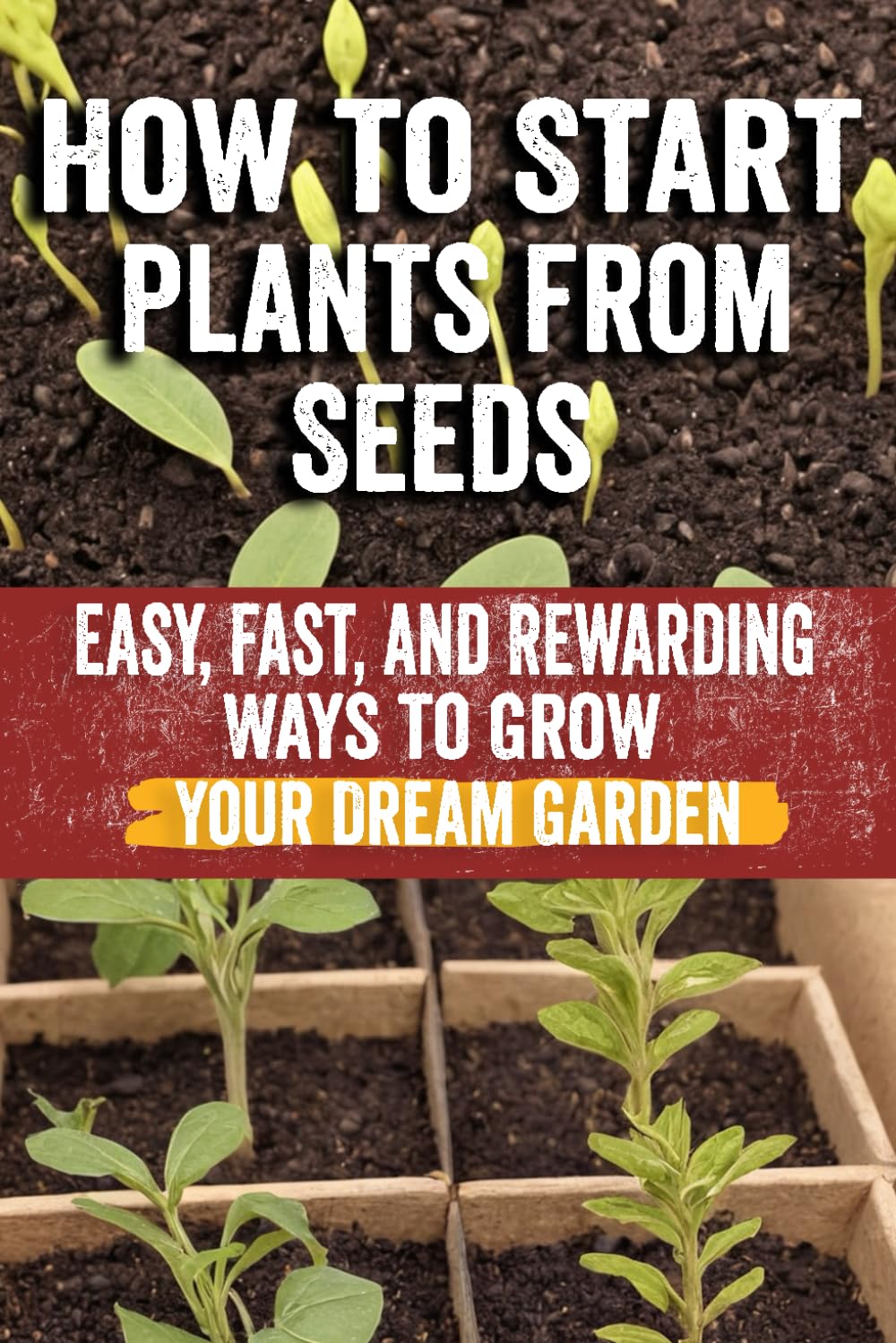
How to Start Plants from Seeds by Norma Khalila is a practical, all-in-one guide for gardeners who want to master seed starting. Whether you're a complete beginner or have some experience, this book walks you through every stage, from picking the right seeds to getting your seedlings into the ground. It's especially useful for anyone interested in heirloom varieties, organic gardening, or simply saving money by growing from seed.
The standout feature here is the depth of coverage. You get clear instructions on basic steps like soil preparation and container choice, but also advanced techniques like seed stratification and scarification. The troubleshooting section is a lifesaver for common issues like poor germination or damping off. The book also covers indoor and outdoor methods, including greenhouse and container gardening, so it adapts to your space.
Design-wise, the book is straightforward and easy to navigate. The chapters are well-organized, and the language is conversational without being overly technical. At 179 pages, it's a manageable read that doesn't overwhelm. The paperback is lightweight and portable, though some might prefer a larger format for easier reading.
One potential drawback is the lack of extensive customer reviews yet, so it's hard to gauge long-term satisfaction. Also, while it covers a lot, some very niche topics might not be explored in extreme depth. But for most home gardeners, this guide provides everything you need to succeed.
Overall, How to Start Plants from Seeds is a solid investment for anyone serious about growing from seed. It's practical, well-written, and packed with actionable advice. If you want to expand your garden with confidence, this book is a great place to start.

Pros
- Stunning mix of colors for decorative appeal.
- Easy to grow and suitable for beginners.
- Good germination rate reported by most buyers.
- Responsive seller resolves issues quickly.
Cons
- Some users experienced low germination rates (only half or fewer sprouted).
- Seeds may be affected by pests like squash bugs.
- Color outcomes may vary depending on growing conditions.
The CZGrain Pumpkin Patch Seeding Kit offers a mix of 20 seeds that promise pumpkins in unusual colors like pink, black, blue, orange, and white. This kit is ideal for gardeners who want to add a whimsical, decorative touch to their fall landscapes. It’s also a thoughtful gift for plant lovers who enjoy growing something out of the ordinary.
The standout feature here is the color variety. You won’t find everyday orange pumpkins in this pack. Instead, you get a rainbow of gourds and squash that can make your garden truly unique. The seeds are easy to plant: just wait until after the last frost, sow them half an inch deep, and keep the area weed-free. They require full sun and regular watering, which is standard for most squash varieties.
Real-world performance has been mixed. Several buyers report high germination rates and beautiful results, praising the vibrant colors. However, a few noted that only about half of the seeds sprouted, and one reviewer mentioned just 3 out of 25 germinated. The seller appears responsive, replacing missing seeds or addressing concerns, which adds a layer of trust. Pests like squash bugs can be an issue, so some preventive care is advisable.
On the downside, germination inconsistency is the main drawback. While many seeds do well, the rate can vary, so you might want to plant extra if you need a specific number of plants. Additionally, the final color of each pumpkin depends on growing conditions and pollination, so the exact shade may not match the packaging exactly.
Overall, this is a fun, affordable way to experiment with colorful pumpkins. It’s best for gardeners who are open to a bit of unpredictability and want to delight their family and neighbors with a unique harvest. Just manage your expectations around germination and be prepared to handle pests. If you enjoy novelty and don’t mind a little trial and error, this kit is worth trying.

Pros
- Certified organic and non-GMO for clean, sustainable gardening.
- Six diverse pumpkin varieties in one convenient pack.
- Fresh 2026 season seeds with high germination potential.
- Comes with planting instructions and reusable packaging.
- 30-day germination guarantee for worry-free planting.
Cons
- Some gardeners may prefer larger seed quantities for bigger plots.
- Limited to pumpkin varieties; no other squash or melon types included.
- No customer reviews yet to gauge real-world performance.
The SweetYards Organic Pumpkin Seeds Variety Pack is a thoughtfully curated collection for anyone who loves growing pumpkins. Whether you are a seasoned gardener or just starting out, this pack gives you six distinct pumpkin varieties in one purchase: New England Pie, Cinderella, Jack O' Lantern, Casper, Big Max, and Jarrahdale Winter Squash. It is designed for both indoor and outdoor planting, so you can start seeds in pots or sow them directly in your garden.
The standout quality here is the diversity. You get classic carving pumpkins like Jack O' Lantern, baking pumpkins like New England Pie, and unique decorative types like the white Casper and blue-gray Jarrahdale. That means you can enjoy a full fall harvest for pies, jack-o'-lanterns, and table centerpieces. The seeds are certified organic and non-GMO, which is a big plus if you care about what goes into your soil and your food.
The packaging is practical and giftable. Each packet is resealable and includes planting instructions, so you don't have to guess about spacing or sun exposure. The seeds are from the 2026 season, so they are fresh and should have a high germination rate. SweetYards also offers a 30-day guarantee: if the seeds don't sprout, you get a refund. That takes some pressure off, especially for newer gardeners.
One thing to note is that there are no customer reviews yet, so real-world feedback is limited. Also, if you are planning a large pumpkin patch, the individual packets might be on the smaller side. But for a home garden or a fall project with kids, this is a solid, low-risk choice.
Overall, the SweetYards Organic Pumpkin Seeds Variety Pack is a smart buy for anyone wanting a diverse, organic pumpkin patch. The combination of variety, quality, and a germination guarantee makes it a reliable option for festive and flavorful harvests.

Pros
- Wide variety of six distinct pumpkin types for decoration, carving, and cooking.
- Non-GMO, heirloom seeds with high purity and freshness.
- Easy-to-follow growing instructions on each packet.
- Trusted brand with a commitment to donating and sponsoring children.
- Seeds are packaged for current and next season viability.
Cons
- No customer reviews yet to confirm real-world performance.
- Requires ample garden space as pumpkin vines can spread 10-15 feet.
- Not a good choice for small container gardens.
The Seed Needs Pumpkin Seeds Collection brings together six heirloom varieties that span the full spectrum of pumpkin uses. From the iconic Jack O Lantern for carving to the striking Blue Jarrahdale and Casper White for decor, plus miniature Baby Boo and Jack Be Little for tabletop accents, this set gives gardeners a lot to experiment with. The included Fairytale pumpkin is a French heirloom prized for its sweet flesh and dramatic ribbed shape. Whether you want to carve jack-o-lanterns, bake pies, or create seasonal displays, this collection covers all bases.
Each variety comes in its own packet with illustrated labels and comprehensive growing instructions on the back. Seed Needs ensures the seeds are non-GMO, heirloom, and untreated, with no fillers. The seeds are stored in a temperature-controlled facility for freshness. Germination rates are generally high if you follow the sunlight and moisture guidelines. The instructions are straightforward even for novice gardeners, specifying full sun and fertile soil with heavy watering at the roots.
A potential downside is the space requirement. Most pumpkin varieties need significant garden room, with vines spreading 10 to 15 feet. However, smaller varieties like Jack Be Little can be grown in larger containers with support. As of now, there are no customer reviews to verify long-term performance, but the brand has been selling seeds since 2010 and ships millions of packets. Another consideration is that the seeds are not hybridized for disease resistance, though they are open-pollinated and true to type.
Overall, this collection offers excellent value for the price. You get a curated mix of decorative and culinary pumpkins, all with the assurance of non-GMO heirloom quality. The detailed instructions reduce guesswork, making it suitable for both experienced gardeners and beginners who have adequate outdoor space. If you want to grow a pumpkin patch with variety this season, this set is a smart starting point.

Pros
- High germination rate even in challenging conditions
- Great flavor with sweet, fine-grained flesh
- Vigorous growth that can be trellised to save space
- Clear instructions and responsive customer support
- Sustainable packaging and company practices
Cons
- Can be susceptible to powdery mildew in humid or late-season plantings
- Needs ample garden space for spreading vines or a sturdy trellis
- Takes 95-100 days to mature, which may be tight in short growing seasons
If you're looking to grow your own pumpkins for pies, fall decorating, or just for fun, the Sow Right Seeds Small Sugar Pumpkin seed packet is a solid choice. This non-GMO heirloom variety produces classic mini orange pumpkins that are perfect for baking and carving. It's ideal for home gardeners who want a reliable, productive plant without any fuss.
One of the standout qualities is the fast germination rate. Many reviewers reported seeds sprouting within a week, even in less-than-ideal conditions. The vines are vigorous and can spread 4 to 6 feet, so plan on giving them room to ramble or training them up a trellis. The pumpkins themselves are small and round with a sweet, fine-grained flesh that makes excellent puree. A reviewer noted that even pumpkins harvested early due to frost were tasty and made great decor.
The packet itself is sturdy and includes clear planting instructions. Sow Right Seeds is a solar-powered company that takes the Safe Seed Pledge, so you're getting fresh, non-GMO seeds. Each packet contains about 45 seeds, which is plenty for a home garden.
There are a couple of things to keep in mind. Pumpkins are prone to powdery mildew, especially if planted late in the season. One reviewer mentioned this as a drawback, but they still got a usable pumpkin for Thanksgiving. Also, the plants need full sun and regular watering to thrive. If you have deer in your area, they might nibble the young leaves, but the plants are resilient.
Overall, this is a high-quality seed packet that delivers on its promises. If you want a dependable sugar pumpkin with great flavor and fast growth, Sow Right Seeds is a brand you can trust. Just give them space and sunlight, and you'll be rewarded with a bountiful harvest.
Frequently Asked Questions About Planting Pumpkin Seeds
Here are answers to common questions gardeners have when learning how to plant seeds from a pumpkin.
How long does it take pumpkin seeds to germinate?
Under ideal conditions, pumpkin seeds germinate within 6 to 12 days. Soil temperature should be consistently between 70°F and 90°F (21-32°C). Cooler soil will slow germination considerably. For best results, start seeds indoors in small pots if your outdoor soil is still cold, or wait until after the last frost date. For more tips on starting seeds, see our guide on seed starting essentials.
Can you plant seeds from a store-bought pumpkin?
Yes, you can plant seeds from a pumpkin you bought at the grocery store or farmers market. However, many store-bought pumpkins are hybrids, so the offspring may not grow true to the parent. You’ll still get a pumpkin, but the size, color, and flavor may vary. For reliable results, consider using heirloom or open-pollinated seeds like those in the SeedNeeds and Sow Right Seeds packs above.
How deep should pumpkin seeds be planted?
Plant pumpkin seeds about 1 to 1.5 inches deep. If you’re sowing directly in the garden, create small hills or mounds spaced 4 to 6 feet apart for vining varieties. Place 4 to 5 seeds per hill, then thin to the strongest 2 to 3 seedlings once they have two true leaves. This spacing gives the vines room to spread and improves air circulation, reducing disease risk.
Do pumpkin seeds need to be soaked before planting?
Soaking pumpkin seeds for 8 to 12 hours can speed up germination by softening the seed coat. It’s not mandatory, but many gardeners find it helpful, especially if the seeds are older. After soaking, plant them immediately. Avoid soaking more than 24 hours, as the seeds may rot. This technique works with any of the varieties listed above.
When is the best time to plant pumpkin seeds?
In most USDA zones 3-10, plant pumpkin seeds outdoors after all danger of frost has passed and the soil has warmed to at least 70°F. This usually falls between late May and early July for northern regions, and earlier for southern zones. If you want an earlier harvest, start seeds indoors 3 to 4 weeks before your last frost date. For more timing tips, check our article on best plant food for impatiens which also discusses seasonal planting schedules.
Now that you know how to plant seeds from a pumpkin, it’s time to choose your seeds and get started. Whether you go for a giant variety like Big Max or a colorful mix from CZGrain, each packet comes with detailed instructions. Don’t forget to provide plenty of sun, consistent moisture, and room for those vigorous vines to roam.
For more plant care guides, visit our Plant category or learn about best planter boxes if you’re growing pumpkins in containers. Happy planting!




Write Your Review
No reviews yet. Be the first to share your experience!