


If you have ever watched a butterfly flutter through your yard and wished it would stay longer, you are not alone. Many plant lovers want to create a space that welcomes these pollinators, but how to plant a butterfly garden often feels overwhelming at first. The good news is that with a few thoughtful choices, you can turn any sunny corner into a thriving habitat. In October 2026, we have gathered 8 helpful resources that cover everything from native plant selection to garden design. Whether you have a small balcony or a large backyard, the right approach makes all the difference.
A successful butterfly garden depends on more than just pretty flowers. You need to provide host plants for caterpillars, nectar sources for adults, and shelter from strong winds. Many beginners make the mistake of planting non-native species that butterflies ignore. By focusing on native plants and understanding the life cycle of local butterflies, you can create a garden that supports them through every stage. If you are also working on other plant care projects, check out our plant care category for more tips on keeping your greenery healthy.



Frequently Asked Questions About Butterfly Gardens
What plants do I need to start a butterfly garden?
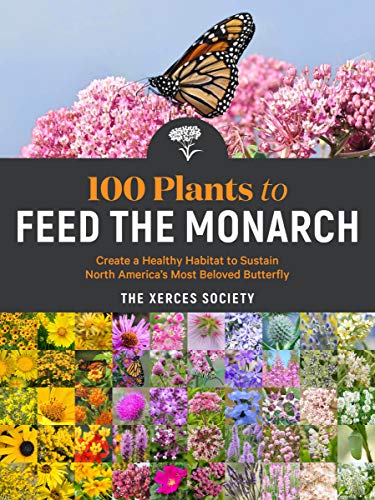
To attract butterflies, you need two types of plants: nectar plants for adult butterflies and host plants for caterpillars. Native wildflowers like milkweed, coneflower, and black-eyed Susan are excellent choices. Host plants vary by butterfly species, so research which ones are common in your area. For more specific guidance, the books and guides in our list above provide detailed planting lists.
How much sun does a butterfly garden need?
Butterflies are cold-blooded and rely on sunlight for energy. Your garden should receive at least six hours of direct sun each day. Place flat stones or open patches of soil where butterflies can bask in the warmth. If you have shady spots, consider adding a grow light to supplement, though natural sun is always best.
Should I use pesticides near my butterfly garden?
Avoid using chemical pesticides anywhere near your butterfly garden. Even organic pesticides can harm caterpillars and adult butterflies. Instead, practice integrated pest management by encouraging beneficial insects and handpicking pests. If you struggle with garden pests, look into natural solutions like neem oil or companion planting. The right plant food can also strengthen your plants against pests.
How do I attract butterflies to a small balcony or patio?
Even a small space can become a butterfly haven. Use containers with nectar-rich flowers like lantana, verbena, or zinnias. Add a shallow dish with wet sand or a muddy patch for puddling, which provides essential minerals. Place your pots in the sunniest spot and keep them sheltered from strong winds. You can also incorporate decorative elements like butterfly stakes to signal the garden’s purpose.
How long does it take to establish a butterfly garden?
A butterfly garden can attract visitors within the first growing season if you start with established plants. From seeds, it may take a year or two for the plants to mature enough to support caterpillars and butterflies. Patience is key. Once the garden is established, it becomes a self-sustaining ecosystem that returns year after year with minimal effort. For ideas on creative garden structures, see how to turn an old bike into a planter for a unique focal point.


Write Your Review
No reviews yet. Be the first to share your experience!