


Timing is everything when growing pumpkins. If you plant too early, the seeds may rot in cold soil. If you wait too long, the fruits won’t mature before the first fall frost. For most gardeners, the best month to plant pumpkins depends on your local climate and the variety you choose. Understanding your region’s USDA hardiness zone and average frost dates helps you plan a successful harvest.
Pumpkins need warm soil (at least 65°F) and full sun. They also need 90 to 120 days from seed to harvest, depending on the type. That means if you want jack-o’-lanterns ready for Halloween, you typically need to plant between late May and early July in most regions. For southern zones, planting in June or even July works; for northern areas, aim for late May. We’ve gathered 8 products to help you get started, including seeds, growing guides, and books. Whether you’re a beginner or experienced gardener, these picks can make the process easier.
For more plant care tips, check out our guide on best plant food for water propagation or explore the Plant category for more resources.

Pros
- Proven reliability for classic carving pumpkins
- Edible flesh adds versatility beyond decoration
- Easy germination and growth for beginners and experienced gardeners
- Long seed viability allows planting in future seasons
- Disease and pest resistance reduce garden stress
Cons
- May struggle in extreme heat (some Texas growers reported failure)
- Seed count can vary (one buyer received only 3 seeds; most receive 31+)
- Not all plants may produce pumpkins, especially in challenging climates
The Survival Garden Seeds Jack O' Lantern Pumpkin is a dependable heirloom variety that delivers exactly what its name promises: pumpkins built for Halloween fun. If you're looking to grow your own carving pumpkins for the fall season, this seed pack is a solid starting point. It's also a good choice for family gardening projects, as kids love watching the vines take off and seeing orange globes appear.
Standout features include the 18-24 pound fruit size, which is perfect for traditional jack-o'-lantern designs, and the fact that the flesh is fully edible for pies, soups, and roasting. The seeds are open-pollinated, non-GMO, and untreated, so you can save seeds from your harvest for next year. Growers report quick germination and vigorous growth when planted in full sun with regular water, typically maturing in about 100 days.
Real-world performance is generally strong, with many buyers praising the high yield and ease of cultivation. However, a few customers noted difficulties in hot climates like Texas, where daily watering wasn't enough to get pumpkins started. There's also a rare report of a pack containing only three seeds (the standard count is 31), so it's worth checking your bag upon arrival. The seeds are lightweight and come in a simple pouch, which is fine for home storage.
On the downside, these seeds may not be the best choice if you live in a region with intense summer heat or if you're expecting a guaranteed pumpkin from every plant. Some growers had no pumpkins at all, though this can happen with any pumpkin variety depending on pollination and weather. The low price makes it a low-risk experiment for most gardeners.
Final verdict: For the price, this is a great value for those who want classic Halloween pumpkins with the bonus of edible flesh. Stick to recommended planting zones (3-11) and provide rich, well-drained soil for best results. If you're a first-time pumpkin grower, these seeds offer a forgiving introduction that rewards with festive harvests.

Pros
- Excellent germination rate, with many customers seeing sprouts within 3-4 days.
- Can produce pumpkins over 100 pounds with proper care, ideal for contests.
- Dual-purpose: good for both carving and cooking with sweet flesh.
- Non-GMO heirloom seeds from a trusted brand with a satisfaction guarantee.
- Includes detailed instructions and customer support for any questions.
Cons
- Some users reported no germination, possibly due to inconsistent seed quality or growing conditions.
- Requires significant garden space (4-6 feet apart) and full sun, not suitable for small plots.
- Packet weight is only 5 grams (about 20 seeds), so you may need multiple packets for a large patch.
The Sow Right Seeds Big Max Pumpkin packet is a straightforward entry point for anyone wanting to grow a giant pumpkin. This non-GMO heirloom variety is designed to produce fruit that can exceed 100 pounds in about 110 days, making it a favorite for fall contests and decorations. It's equally suited for carving or cooking, with firm sweet flesh that works well in pies and soups. This packet is ideal for home gardeners who have room to spare and want a reliable, productive pumpkin plant.
Standout features include the high germination rate noted by many users, with sprouts often appearing within 3-4 days of planting. The seeds are easy to start, and the plants grow rapidly with large green leaves, covering 10-15 feet of ground. Customers have reported pumpkins ranging from 30 to 76 pounds, showing the variety's potential. The packet includes clear instructions, and the brand offers responsive customer support if issues arise.
Design and build quality are solid: the seeds come in a full-color packet that is both informative and attractive. Sow Right Seeds operates a solar-powered facility and takes the Safe Seed Pledge, ensuring the seeds are non-GMO and sustainably produced. The only minor drawback is the packet size (5 grams, about 20 seeds), which may not be enough for a large patch. Additionally, a small number of users reported no germination, though this could be due to soil temperature or watering issues.
For gardeners with ample space and a desire for a giant pumpkin, this packet is a reliable choice. The seeds are easy to grow, produce impressive results, and the brand stands behind them. Just make sure you have a sunny spot with regular water and enough room for the vines to spread.

Pros
- Includes a diverse mix of pumpkin types for different uses.
- Heirloom, non-GMO seeds that support sustainable gardening.
- Packed in the USA with clear variety labels and gram weights.
- Great for family gardening projects and teaching kids about plant growth.
- Seeds are viable for saving and replanting in future seasons.
Cons
- No reviews available yet, so germination rates and performance are unverified.
- Pumpkin growing requires ample space; giant varieties need at least 50 square feet per plant.
- Some buyers may prefer individual variety packs instead of a mixed assortment.
The Gardeners Basics 5 Variety Pumpkin Seeds Pack is a thoughtful assortment for anyone looking to grow pumpkins this season. The kit includes Baby Boo (small white), Jack Be Little (mini orange), Jack O Lantern (classic carving), Giant Big Max (massive for competition), and Sugar Pie (perfect for baking). This mix covers nearly every pumpkin need, from decorative gourds to kitchen staples.
Each variety comes in its own labeled packet with gram weights clearly indicated. The seeds are heirloom and non-GMO, grown and packaged in the USA. That means you can save seeds from your harvest and replant them next year, which is a nice bonus for self-sufficient gardeners. The company stands behind the product with a satisfaction guarantee, though as of now there are no customer reviews to confirm germination rates in different conditions.
For best results, plant these seeds directly in your garden after the last frost. Pumpkins need full sun, moderate watering, and plenty of space. Giant Big Max, in particular, requires a large patch. Kids will enjoy watching the vines sprawl and fruits develop over the summer. The smaller varieties like Baby Boo and Jack Be Little are great for container gardening if space is limited.
One honest drawback is the lack of user feedback, so first-time buyers are taking a bit of a chance. Additionally, these are not organic, though they are non-GMO. Some gardeners might prefer organic certification. The seed count per packet is modest, but the variety makes up for it.
Overall, this is a solid choice for home gardeners who want a fun and productive fall harvest. The combination of ornamental, carving, and pie pumpkins means you get something for every occasion. If you have the space and patience, this pack offers great value and a true taste of autumn.
Pros
- Comprehensive step-by-step approach that builds confidence for beginners
- Covers real-world topics like selling pumpkins at markets and u-pick farms
- Practical pest and disease strategies without relying on harsh chemicals
- Affordable price point for a focused, no-fluff guide
Cons
- No photographs or illustrations to help identify plants or pests
- At 84 pages, experienced gardeners may find it too basic
- Only one customer review so far, making it hard to gauge widespread satisfaction
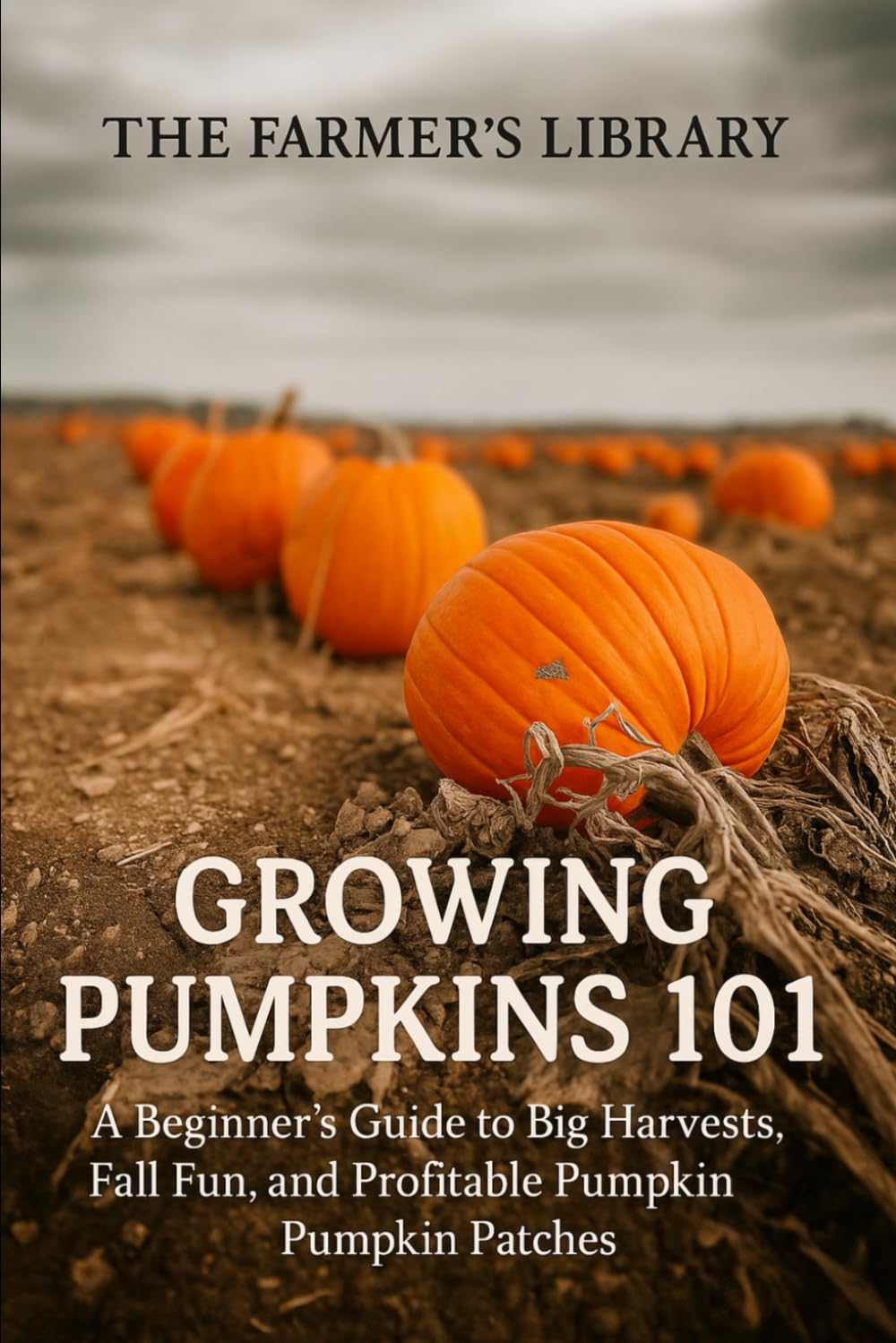
Growing Pumpkins 101 is a straightforward, beginner-focused guide that aims to turn pumpkin dreams into reality. Written by Farmer's Library, this 84-page paperback covers the full lifecycle of pumpkin cultivation, from picking the right seeds to selling your harvest at a fall market. It's designed for anyone who wants to grow pumpkins in their backyard or start a small agribusiness, and it does so without assuming prior gardening experience.
The book's standout strength is its practicality. It walks you through soil preparation, watering schedules, fertilization, and natural pest control, with a strong emphasis on boosting pollination and fruit set. The guide also includes a chapter on harvesting signs and shelf-life hacks, plus a dedicated section on selling pumpkins through roadside stands or u-pick operations. These real-world tips give it more value than a typical gardening pamphlet.
That said, the lack of photographs is a notable drawback. For a visual learner trying to identify squash bugs or powdery mildew, the text-only format can be frustrating. The print quality is standard for an independently published book, and the dimensions (6 x 0.19 x 9 inches) make it portable enough to take to the garden. The single customer review echoes this sentiment, praising the information but noting the absence of visuals.
If you're an experienced gardener, you might find the content too basic. But for someone who has never grown a pumpkin before, this book provides a clear, actionable roadmap. It doesn't promise unrealistic yields or magical shortcuts; instead, it offers solid, step-by-step guidance that respects the learning curve.
Verdict: Growing Pumpkins 101 is a worthy investment for beginners who want a no-nonsense, text-heavy guide to pumpkin cultivation. If you need pictures or advanced techniques, look elsewhere. But for the price and scope, it delivers exactly what the title promises.

Pros
- Clear, beginner-friendly approach with no prior gardening experience needed
- Focus on organic solutions helps you grow naturally and sustainably
- Compact size makes it easy to reference while working in the garden
- Covers the full lifecycle from planting to cooking and storage
Cons
- At 96 pages, it may not provide deep detail for experienced gardeners
- No user reviews yet, so real-world performance is unverified
- Only available in English currently
How to Grow Pumpkins by Robert Pina is a straightforward, beginner-focused guide designed to help anyone grow pumpkins successfully, regardless of experience or garden size. It's part of The Grower's Handbook Series and aims to demystify the process from seed selection through harvest, cooking, and even contest winning. This book is ideal for families, hobby gardeners, and anyone who wants to enjoy homegrown pumpkins for carving, baking, or display.
The standout quality of this guide is its emphasis on organic and natural methods. It covers soil preparation, planting, watering, and pest control without relying on harsh chemicals. The instructions are broken into clear steps, and the book includes practical tips for growing in containers, raised beds, or traditional garden plots. Bonus sections on growing giant pumpkins add appeal for those with competitive aspirations.
The book itself is a 96-page paperback with dimensions of 6 x 0.22 x 9 inches - compact enough to carry to the garden. The language is conversational and free of jargon, making it accessible to absolute beginners. While the print length is concise, it covers all essential phases: choosing varieties, managing vines, recognizing harvest readiness, and storing pumpkins for long-term use.
Potential drawbacks are mainly related to depth. Experienced gardeners might find the content too basic, and there are no user reviews yet to validate the advice. The book focuses on organic methods but doesn't dive deeply into advanced soil science or intensive troubleshooting. However, for its target audience, the information is practical and actionable.
Overall, How to Grow Pumpkins delivers on its promise to guide beginners through the entire pumpkin growing journey. It's a solid entry-level resource that encourages natural practices and makes gardening feel achievable. If you're new to growing pumpkins and want a clear, organic-focused manual, this book is a worthwhile investment.

Pros
- Clear, easy-to-follow guidance for beginners
- Covers essential topics like soil prep, watering, and pest control
- Short and portable - perfect for quick reference while gardening
- Written for all skill levels without being overly technical
Cons
- Limited page count may not cover advanced techniques or regional varieties
- No illustrations or photos mentioned, which could help visual learners
- Self-published title may lack professional editing oversight
The 'Guide to Growing Pumpkins' by A. Duller is a no-nonsense resource that distills pumpkin cultivation into 55 digestible pages. It is written for anyone who wants to start or improve their pumpkin patch, from first-time growers to those with some gardening experience. The book focuses on the fundamentals: preparing the soil, choosing the right varieties, setting up efficient irrigation, and keeping pests and diseases at bay.
Each chapter offers practical, step-by-step advice without overwhelming the reader. The irrigation section, for example, breaks down different watering methods and schedules to match your climate and soil type. The pest control strategies emphasize prevention and organic solutions, which many home gardeners will appreciate. While the book is concise, it does not skip the critical details that can make or break a harvest.
Physically, the book is a standard paperback with a lightweight, portable design (5 x 0.13 x 8 inches, 4 ounces). The layout is text-heavy, with no images or diagrams as far as the description indicates. This is a potential drawback for visual learners who prefer seeing planting patterns or pest identification photos. However, the straightforward text gets straight to the point, making it a handy field reference.
One honest limitation is the book's length. At 55 pages, it cannot cover every pumpkin variety or advanced growing technique in depth. Experienced gardeners might wish for more detail on topics like soil amendments or season extension. Additionally, because it is independently published, there may be minor typos or formatting quirks that a traditional publisher would catch. But for the price, the core content delivers solid, actionable advice.
Overall, if you want a clear, affordable guide to grow pumpkins successfully without sifting through fluff, this book is a strong choice. It earns points for practicality and accessibility. Just be aware that it is a primer, not an encyclopedia. For most home gardeners, that is exactly what you need to get started on the right foot.

Pros
- Concise yet thorough coverage of many squash and pumpkin varieties
- Practical advice that's easy to follow for gardeners of all skill levels
- Compact size makes it a handy reference in the garden
- Affordable price point for a specialized gardening guide
- Includes both common and less familiar types like pattypans and marrows
Cons
- At 64 pages, it may lack depth for experienced or advanced gardeners
- No customer reviews yet to gauge real-world usefulness
- Focus is primarily on squashes and pumpkins, not a general vegetable gardening book
Growing Squashes & Pumpkins is a practical gardening guide by Richard Bird that serves as both a directory of varieties and a how-to manual. It's tailored for gardeners who want to explore the diversity of squashes and pumpkins, from common butternut and cucumbers to less familiar marrows and pattypans. The book's concise 64-page format makes it an accessible resource for beginners and a handy reference for those with some experience.
The standout feature is the variety directory, which helps gardeners choose the right types for their climate and space. Cultivation advice covers planting, care, and harvesting in straightforward steps. The book's compact size (7.37 x 0.5 x 8.5 inches) and light weight (2.31 pounds) mean it's easy to carry to the garden or keep on a shelf for quick checks.
Design and build quality are typical for a Lorenz Books paperback: durable enough for occasional use but not waterproof. The print is clear, and the layout uses simple headings and bullet points for easy scanning. However, the lack of color photos might disappoint some visual learners, as the descriptions rely on text rather than detailed images.
A potential drawback is the book's brevity. Experienced gardeners may find the coverage too shallow for advanced techniques like pest management or soil optimization. Also, with no customer reviews available, it's hard to gauge how well the advice translates to real-world results. But for the price, it offers solid foundational knowledge.
Overall, Growing Squashes & Pumpkins is a worthwhile investment for anyone starting a squash patch or looking to expand their variety selection. It's practical, affordable, and easy to digest. If you're a seasoned grower seeking deep dives, you might want a more comprehensive tome, but for most home gardeners, this guide hits the mark.

Pros
- High germination rate even in challenging conditions
- Great flavor with sweet, fine-grained flesh
- Vigorous growth that can be trellised to save space
- Clear instructions and responsive customer support
- Sustainable packaging and company practices
Cons
- Can be susceptible to powdery mildew in humid or late-season plantings
- Needs ample garden space for spreading vines or a sturdy trellis
- Takes 95-100 days to mature, which may be tight in short growing seasons
If you're looking to grow your own pumpkins for pies, fall decorating, or just for fun, the Sow Right Seeds Small Sugar Pumpkin seed packet is a solid choice. This non-GMO heirloom variety produces classic mini orange pumpkins that are perfect for baking and carving. It's ideal for home gardeners who want a reliable, productive plant without any fuss.
One of the standout qualities is the fast germination rate. Many reviewers reported seeds sprouting within a week, even in less-than-ideal conditions. The vines are vigorous and can spread 4 to 6 feet, so plan on giving them room to ramble or training them up a trellis. The pumpkins themselves are small and round with a sweet, fine-grained flesh that makes excellent puree. A reviewer noted that even pumpkins harvested early due to frost were tasty and made great decor.
The packet itself is sturdy and includes clear planting instructions. Sow Right Seeds is a solar-powered company that takes the Safe Seed Pledge, so you're getting fresh, non-GMO seeds. Each packet contains about 45 seeds, which is plenty for a home garden.
There are a couple of things to keep in mind. Pumpkins are prone to powdery mildew, especially if planted late in the season. One reviewer mentioned this as a drawback, but they still got a usable pumpkin for Thanksgiving. Also, the plants need full sun and regular watering to thrive. If you have deer in your area, they might nibble the young leaves, but the plants are resilient.
Overall, this is a high-quality seed packet that delivers on its promises. If you want a dependable sugar pumpkin with great flavor and fast growth, Sow Right Seeds is a brand you can trust. Just give them space and sunlight, and you'll be rewarded with a bountiful harvest.
Frequently Asked Questions About the Best Month to Plant Pumpkins
1. What is the best month to plant pumpkins in zone 5?
In USDA zone 5, the last frost typically occurs in mid-May. The best month to plant pumpkins is late May to early June, after the soil has warmed to at least 65°F. This timing gives the plants about 100 days to mature before the first fall frost in October.
2. Can I plant pumpkins in July?
Yes, in warm climates (zones 7 and above), July planting can work if you choose a fast-maturing variety like Small Sugar Pumpkin (95-100 days). However, in cooler regions, July planting may not leave enough time for the fruits to ripen before frost. Always check your first frost date and count backward from there.
3. How long do pumpkins take to grow from seed?
Most pumpkins need 90 to 120 days to reach full maturity. The exact time depends on the variety. For example, Big Max pumpkins mature in 110-120 days, while Jack O’ Lantern types take about 100 days. Always check the seed packet for specific days to harvest.
4. Should I start pumpkin seeds indoors?
Starting seeds indoors can give you a head start in short-season climates. Plant seeds in biodegradable pots about 3-4 weeks before the last frost. Transplant them outdoors once the soil is warm. Be careful not to disturb the roots. This method works well for giant pumpkin varieties that need extra growing time.
5. What pumpkin variety is best for pies?
For cooking, choose a sugar pumpkin variety like Small Sugar Pumpkin or Sugar Pie. These have sweet, fine-grained flesh perfect for pies and soups. They are also smaller, making them easier to handle. For more growing advice, see our guide on garden soil preparation.


Write Your Review
No reviews yet. Be the first to share your experience!