


Introduction
Organic fish fertilizers can nourish garden soil, but their fish-based ingredients and odor may make gardeners wonder whether they’ll draw curious wildlife or household pets. The short answer to will fish fertilizer attract animals is that it can, particularly if concentrate, spills, or freshly treated soil remain accessible. The possibility depends on the formula, how it is applied, local animals, and whether the product is covered or watered in as directed. A fertilizer’s plant benefits don’t remove the need to think about storage, cleanup, and access around the yard.
Product formats differ: granular fish meals and bone meals leave solid material in the soil, while liquid concentrates can spill or linger on exposed surfaces if used carelessly. The listed products include liquid fish fertilizers, fish-and-seaweed blends, and fish-based soil amendments, but their ingredient details and application directions aren’t identical. Read the product label rather than assuming all fish fertilizers smell alike or pose the same level of attraction. If you’re also comparing organic feeding formats, this guide to slow-release garden fertilizers offers useful context on a different approach to feeding plants.
Product Shortcode


Pros
- Balanced NPK ratio works for a wide variety of plants during active growth
- OMRI certification ensures compliance with organic standards
- Marine ingredients improve soil structure and microbial activity
- High customer satisfaction with proven results in gardens and landscapes
- Easy to measure and apply without messy mixing
Cons
- Mild fishy odor when wet, best used outdoors or covered with soil
- Can attract pets or wildlife if left exposed on the surface
- Not suitable for indoor plants due to the natural scent
Down To Earth Bio-Fish is an all natural, organic fertilizer that brings the power of marine-based nutrition to your garden. With an NPK ratio of 7-7-2, it provides equal parts nitrogen and phosphorus for vigorous vegetative growth and root development, plus a modest dose of potassium for overall plant resilience. This OMRI-listed product is approved for certified organic production, making it a solid choice for growers who avoid synthetic chemicals.
The star ingredient here is fish meal and fish bone meal sourced from wild caught fish in the Pacific Northwest. These marine byproducts are rich in trace minerals and organic matter that feed both plants and the soil's microbial community. Gardeners report noticeable improvements in soil texture and plant vigor after regular use. Many reviewers highlight its effectiveness on vegetables like corn and broccoli, as well as on ornamental trees and shrubs. The granules are easy to spread and work well as a top dressing or mixed into the soil.
One trade off is the distinct fishy smell when the fertilizer gets wet. This is a natural characteristic of fish-based products, and while it dissipates quickly after watering or being covered with soil, it can be off-putting near seating areas or indoors. A few reviewers also note that pets may try to dig up the area if the granules aren't fully incorporated.
Overall, Down To Earth Bio-Fish is a reliable, thoughtfully sourced organic fertilizer that delivers on its promises. It's especially well suited for dedicated organic gardeners who value soil health and are willing to accept the mild odor in exchange for exceptional results. For anyone looking to boost their garden naturally, this product earns a strong recommendation.
Pros
- Cold-processed to retain delicate nutrients that heat-processed fertilizers lose
- Sourced from wild ocean fish, not farmed or river fish, ensuring clean, mineral-rich nutrition
- Works for both indoor and outdoor plants including veggies, fruit, trees, lawns, and flowers
- Encourages healthier soil biology and long-term soil improvement
Cons
- Needs to be reapplied regularly during the growing season for best results
- Strong fishy scent may still be noticeable if not diluted properly or used in enclosed spaces
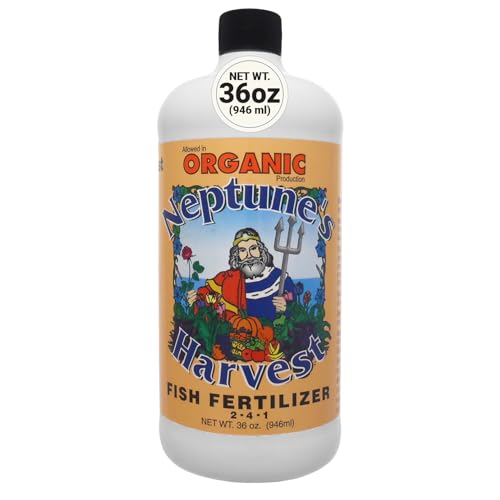
Neptune's Harvest Fish Fertilizer 2-4-1 is a top choice for organic gardeners who want a natural liquid plant food that goes beyond basic NPK. Made from whole North Atlantic fish through a unique cold process, it retains the vitamins, amino acids, enzymes, and growth hormones that heat-based fertilizers destroy. This liquid fish hydrolysate delivers a balanced 2-4-1 formula along with micronutrients, trace elements, and omega oils that support stronger plants and better yields. It's suitable for vegetables, flowers, fruit trees, lawns, and indoor plants, making it a versatile addition to any garden regimen.
What sets this fertilizer apart is its method of production. The cold process uses 100% of the fish, preserving the complex nutrition found in nature. Unlike standard fish emulsions that often smell offensive, Neptune's Harvest has a noticeably milder odor. It works as both a soil drench and a foliar feed, and its natural sticker-spreader action helps nutrients cling to plant surfaces for efficient uptake. Users report healthier root systems, greener foliage, and improved resistance to pests and disease over time.
Beyond immediate plant feeding, this fertilizer enriches the soil itself. It builds organic matter, feeds beneficial bacteria and fungi, and improves soil structure so it retains moisture while draining well. Over repeated applications, gardeners often see looser, more friable soil that supports deep root growth. The product is OMRI Listed, meaning it's approved for organic production, and it's safe for children and pets when used as directed.
There are a couple of considerations. Because it's a natural, biologically active product, it does have a fishy scent - though far less than emulsions. It's best used outdoors or in well-ventilated areas. Also, as a liquid fertilizer, it requires regular application every two to four weeks during the growing season, which may be more frequent than granular options. But for those committed to organic gardening, the benefits to soil life and plant health make it worthwhile.
Overall, Neptune's Harvest Fish Fertilizer offers a potent, well-rounded nutrient source that any organic gardener can trust. It's especially good for those who want a single product that works on everything from tomatoes to houseplants, while also building long-term soil fertility. The high ratings reflect real-world results: bigger harvests, healthier plants, and a more vibrant garden ecosystem.

Pros
- Highly rated by users (4.6 out of 5 stars) with thousands of positive reviews
- Contains chelated iron and potassium for strong, colorful leaves and roots
- Easy to use with clear dosing instructions and a long-lasting 8-ounce bottle
- Compatible with other API plant products for a complete plant care routine
- Affordable compared to many specialized fertilizers, offering good value
Cons
- Some users recommend using slightly less than directed to avoid plant dependency on the fertilizer
- Not suitable for saltwater or reef aquariums, only for freshwater setups
- Liquid form may have a mild odor, though most find it acceptable
The API LEAF ZONE Freshwater Aquarium Plant Fertilizer is a liquid supplement designed to keep your aquatic plants lush and vibrant. It contains chelated iron and potassium, two essential nutrients that plants need for healthy leaf growth and photosynthesis. This product is best for freshwater tanks with fish and plants, and it's a go-to choice for beginners and experienced aquarists alike.
One of the standout features is how quickly plants absorb the nutrients through their leaves. Within a week, you'll likely notice greener, fuller leaves and stronger growth. The dosing is straightforward: just add 5 ml per 10 gallons of water weekly. Many users report that their plants become more resilient and can even outcompete algae for nutrients, keeping the tank cleaner.
The 8-ounce bottle is compact but lasts a surprisingly long time. For a 10-gallon tank, a single bottle can last up to a year, making it a great value. The liquid is easy to measure with the included cap markings, and it blends into the water without clouding. API has been in the aquarium business for over 50 years, and this product lives up to their reputation for reliable formulations.
There are a few things to keep in mind. Some users find that using the full recommended dose can make plants dependent on the fertilizer, so they suggest occasional breaks or slightly less product. Also, this is only for freshwater tanks; saltwater setups need different products. A few people mention a mild chemical smell, but that's typical for liquid fertilizers and fades quickly.
Overall, API LEAF ZONE is a solid choice for anyone wanting to boost plant health without complicated routines. It delivers noticeable results, is easy to use, and won't break the bank. If you have a planted freshwater aquarium, this fertilizer is worth adding to your maintenance kit.
| Brand | API |
| Model Number | 576G |
| Item Type | Aquarium Plant Fertilizer |
| Volume | 8 Fluid Ounces |
| Form | Liquid |
| Dosage | 5 ml per 10 US gallons weekly |
| Target Species | Fish (freshwater) |
| Key Nutrients | Chelated Iron, Potassium |
| Dimensions | 1 x 1 x 6 inches |
| Weight | 4.8 ounces |


Pros
- OMRI certified for organic use, giving peace of mind for organic growers.
- Non-burning formula is safe for a wide variety of plants, including delicate seedlings.
- Simple liquid concentrate mixes easily and covers up to 1,000 square feet per bottle.
- Supports strong growth in vegetables, flowers, shrubs, and trees with balanced nutrients.
Cons
- Fishy smell can be noticeable after application, especially in indoor or confined spaces.
- Some users may prefer a granular fertilizer for slow-release feeding.
- Requires mixing with water and regular reapplication every 3 weeks, which may be less convenient for some gardeners.
Alaska Fish Fertilizer 5-1-1 is a liquid plant food that has been a staple in gardens for generations. Made from fish solubles, this OMRI Listed formula provides a gentle, steady supply of nutrients that feed plants without burning. It's designed for a wide range of uses, from vegetables and flowers to shrubs, trees, and container plants, both indoors and outdoors. If you're an organic gardener or simply want a natural way to support your plants, this fertilizer is a solid choice.
The standout feature is its gentle 5-1-1 ratio, which is low in nitrogen compared to many synthetic fertilizers. This makes it safe for use throughout the growing season, even on tender seedlings. The liquid concentrate mixes easily with water, and one bottle covers up to 1,000 square feet. You'll need to apply it every three weeks for best results, which is straightforward but does require consistent effort. The formula also helps enrich the soil by feeding beneficial microbes, promoting healthier root systems over time.
In terms of design, the bottle is sturdy and the measuring cap is convenient. The product has a noticeable fishy odor when mixed, which can be a downside if you're using it indoors or on a patio. However, the smell dissipates quickly after application. The OMRI listing adds credibility for organic growers, confirming it's approved for organic food production. There are no synthetic additives, so you can feel good about what you're putting on your plants.
One potential drawback is the need for repeated applications. Unlike slow-release granular fertilizers, this liquid requires mixing and regular reapplication. Also, the fishy smell might not appeal to everyone. But for gardeners who prioritize organic methods and want a reliable, gentle feed, these trade-offs are minor.
Overall, Alaska Fish Fertilizer 5-1-1 delivers on its promise: it's easy to use, safe for plants, and effective for a wide variety of gardens. Whether you're growing tomatoes, tending roses, or nurturing houseplants, this fertilizer provides a natural boost without harsh chemicals. It's a dependable choice for anyone who values organic gardening and wants consistent results.


Pros
- OMRI certified for organic use, so you can feel confident in your growing practices.
- Balanced 2-3-1 nutrient profile from natural hydrolyzed fish promotes healthy foliage and roots.
- Versatile enough for almost any plant type and growing environment, from soil to hydroponics.
- Easy to apply with clear instructions no guesswork.
- Produced in the USA with sustainable methods and no synthetic additions.
Cons
- Fish-based fertilizer can have a noticeable odor after application, which might bother some gardeners.
- Only available in a 1 quart size; larger gardens may need multiple bottles for full season feeding.
- No customer reviews yet, so real-world performance insights are limited.
GS Plant Foods Liquid Fish Fertilizer is an OMRI listed organic concentrate that gives gardeners a natural way to feed their plants. With a balanced 2-3-1 NPK ratio, this hydrolyzed fish formula provides essential nutrients along with organic compounds that support soil health. It is designed for anyone who wants to grow vegetables, herbs, flowers, lawns, or container plants without synthetic chemicals. Whether you are a backyard gardener or a hobby farmer, this product fits into most organic routines.
The standout feature here is the OMRI listing, which means it meets strict organic standards. The hydrolyzed fish processing preserves beneficial compounds that help improve soil vitality. This fertilizer works for nearly every growing method: in-ground beds, raised beds, containers, hydroponic systems, and even indoor houseplants. Applying it is straightforward: mix 4 ounces per gallon of water and use a watering can, sprayer, or hose-end applicator. You can feed both soil and foliage, making it flexible for regular use throughout the season.
In practical terms, this liquid fish fertilizer provides steady nutrition without the risk of burning plants when used as directed. The natural ingredients feed the soil food web, not just the plant. Since it contains no synthetic additives or fillers, it is a clean choice for edible gardens. The manufacturer, GS Plant Foods, is a licensed fertilizer producer in the USA, which adds a layer of quality assurance. The 1 quart size is convenient for smaller gardens or for testing it out before committing to larger volumes.
One honest drawback is the fishy smell right after application, which usually fades once it dries. If you are sensitive to odors or garden close to windows, that might be a minor issue. Also, the quart bottle is economical for small to medium spaces, but serious growers with large acreage might want a bigger container. Lastly, because this product currently has no customer reviews, you are relying on the brand reputation and organic certification rather than peer feedback.
Overall, GS Plant Foods Liquid Fish Fertilizer is a reliable organic option for gardeners who value simplicity and natural inputs. The OMRI certification gives it credibility, and the hydrolyzed fish formula delivers balanced nutrition. If you are okay with the temporary fish smell and start with the quart size, this fertilizer is a solid choice for nurturing a wide range of plants organically.
Pros
- Simple to mix and apply with clear instructions for both indoor and outdoor use
- Gradually improves soil health, leading to stronger roots and less need for synthetic inputs
- OMRI-listed organic certification ensures it meets strict organic gardening standards
- Safe for children and pets when used as directed, reducing worry in family gardens
- Works well for a wide range of plants, from seedlings to mature trees and lawns
Cons
- Has a noticeable fishy smell that may linger for a day or two after application, especially when used as a foliar spray
- Requires regular mixing and watering, which could be less convenient than granular slow-release fertilizers
- The 18oz pint size is best for small gardens, potted plants, or new users; larger gardens may need multiple bottles
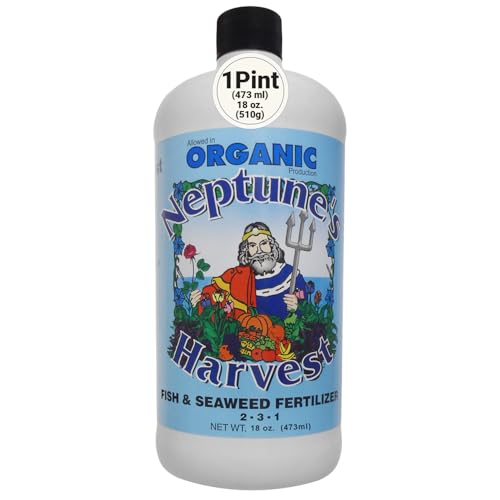
Neptune's Harvest Fish & Seaweed Liquid Fertilizer is an organic all-purpose plant food that combines 75% hydrolyzed fish and 25% seaweed into a balanced 2-3-1 NPK formula. It's designed for gardeners who want to feed vegetables, flowers, fruit trees, lawns, and houseplants without synthetic chemicals. This liquid concentrate is OMRI-listed, meaning it meets strict organic standards, and it's safe for use around kids and pets when applied as directed.
The standout feature here is how the fish and seaweed work together to deliver both fast-acting nutrients and long-term soil benefits. The hydrolyzed fish provides nitrogen and other macronutrients that plants can take up quickly, while the seaweed supplies trace minerals, growth hormones, and organic matter that feed beneficial soil microbes. Over time, you'll see improved soil structure, better water retention, and healthier root systems. Many gardeners also report enhanced flavor in their vegetables and more vibrant blooms from flowers after switching to this fertilizer.
In terms of usability, the liquid is straightforward to mix and apply. For outdoor plants, you use 1 oz per gallon of water (about 1/8 cup) and feed every one to two weeks. For indoor plants, the ratio drops to 1 tablespoon per gallon weekly. You can apply it as a soil drench or a foliar spray, which gives you flexibility depending on what you're growing and the stage of growth. The 18oz pint bottle is a good starter size, though if you have a large garden or a lawn, you'll likely want to buy the larger gallon option.
One honest drawback is the scent. Like most fish-based fertilizers, this product has a distinct fishy odor that can be off-putting, especially when sprayed on leaves or applied during warm weather. The smell usually fades within a day or two, but it's something to keep in mind if you're sensitive to odors or garden near open windows. Also, because it's a liquid, you'll need to mix it fresh each time, which is slightly more hands-on than using granular slow-release products.
Overall, Neptune's Harvest Fish & Seaweed Liquid Fertilizer earns high marks for its organic integrity, versatility, and ability to improve both plants and soil over time. It's a smart choice for eco-conscious gardeners, beginners wanting a simple organic option, or anyone looking to boost the health of their garden without resorting to synthetic fertilizers. If you can handle the temporary fish smell, this fertilizer delivers consistent, natural results.

How Fish Fertilizer Can Draw Animal Attention
Fish fertilizer can attract animals because some formulas retain a fish-like odor or contain fish-derived material that animals may investigate. That does not mean every application will bring wildlife into a yard, nor does the available product information establish how likely an encounter is. Curiosity can vary with an animal’s habits, the surrounding food sources, weather, and whether fertilizer is exposed. Treat odor as a practical reason to prevent access, not as proof that animals will necessarily visit.
Dogs may sniff or lick soil, spilled concentrate, or fertilizer residue, while wildlife may investigate accessible organic material. A product labeled for plant use is not automatically edible or intended for consumption. Keep pets away during application and follow the label’s specific precautions for children and animals, including any stated re-entry conditions. If a pet eats fertilizer or develops concerning symptoms, contact a veterinarian or an animal poison control service and have the product label available.
Why the formula and application method matter
Fish-derived ingredients may have an odor, but the strength and persistence can differ among products and conditions. The supplied information describes Neptune’s Harvest Fish Fertilizer as a hydrolyzed liquid and says the manufacturer describes it as lacking the offensive odor common in fish emulsions. That product-specific description should not be generalized to every fish-based fertilizer or treated as a guarantee that no animal will notice it. A garden’s own odor experience can also change with application, moisture, and surrounding conditions.
Granular products and powders present a different exposure situation from liquid concentrates. A spilled bottle or drips around a mixing area can leave concentrated product in one accessible spot, while crumbs of fish meal may remain on the soil surface if not incorporated according to label directions. Product 1, Down To Earth All Natural Fertilizers Organic, is described as containing fish meal and fish bone meal. Product 2 is fish bone powder, but the supplied details do not establish its odor strength, animal-attraction level, or exact handling directions.
Seaweed blends also require product-specific judgment rather than assumptions based on the word “fish.” Neptune’s Harvest Fish & Seaweed Liquid Fertilizer is described as a fish-and-seaweed formula, while other listed liquids are fish-based products with their own directions. None of the supplied descriptions provides a controlled comparison of how strongly animals respond to these formulas. Compare ingredients and label precautions, then choose a format that you can measure, apply, and store without leaving accessible residue.
Reducing odors and exposed fertilizer after use
Careful application reduces obvious opportunities for animals to investigate. Measure concentrate over a work surface, mix only as directed, and avoid drips on patios, walkways, pet bowls, or other frequently visited areas. Apply to the intended soil or plants rather than leaving puddles or product-coated containers outdoors. Follow the label’s directions about soil application, foliage use, and watering; don’t invent a dilution or watering schedule based on another brand.
If a label directs you to work a granular amendment into soil or cover it, follow that instruction without burying material in a way the product does not permit. Covering or incorporating material as directed can reduce exposed scraps, but it doesn’t establish that all odor or animal interest will disappear. Pick up spilled granules or powder promptly using the label’s cleanup guidance. Prevent wash-off into storm drains, ponds, and streams, since fertilizer nutrients can contribute to unwanted water pollution.
Watering may be part of a product’s application instructions, but fish fertilizers are not interchangeable. Neptune’s Harvest and GS Plant Foods list liquid application directions in their product information, while other supplied entries do not give enough detail here to repeat a rate or post-application interval. Follow the specific container for whether and when to water, rather than using extra water to try to mask odor. Avoid applying before heavy rain when runoff could carry nutrients away from the planting area.
Protecting pets, children, and wildlife
Keep animals and children out of the work area while mixing and applying fertilizer. Wear the protective equipment named on the product label, such as gloves or eye protection, and wash hands after handling. Store containers closed in a secure location that pets and children cannot reach. Don’t leave measuring cups, open bottles, empty bags, or rinse water where an animal could lick or drink them.
Re-entry guidance depends on the individual product and application. The supplied product descriptions do not establish a universal waiting period for pets or children, so a specific number of hours would be unsupported. Follow any label interval and keep the area restricted until the label’s conditions are met, including drying or watering requirements if stated. If the label is unclear, contact the manufacturer before use rather than assuming an organic or fish-derived product is immediately safe to access.
Wildlife can be protected by limiting exposed material and preventing runoff, but gardeners should not use unapproved deterrents or mix other chemicals into fertilizer. Keep application away from places where animals feed or drink, and avoid leaving concentrated product in open containers. Sweep or collect misplaced solids from hard surfaces as the label permits, then dispose of them according to its directions. These steps make the application more controlled without making an unsupported promise that wildlife will never approach.
Interpreting the fertilizer label before choosing
Animal attraction is only one part of selecting a product; its nutrient analysis and intended use should match the planting task. Down To Earth All Natural Fertilizers Organic lists an N-P-K analysis of 7-7-2 and identifies fish meal and fish bone meal among its materials. Neptune’s Harvest Fish Fertilizer is listed as 2-4-1, and Neptune’s Harvest Fish & Seaweed Liquid Fertilizer is listed as 2-3-1. GS Plant Foods Liquid Fish Fertilizer is also listed as 2-3-1, with manufacturer directions for use on soil or foliage.
Those figures describe the proportions of nitrogen, phosphate, and potash, not animal safety, odor intensity, or an application quantity. Nitrogen supports plant growth, phosphorus contributes to plant nutrient needs, and potassium is another primary nutrient; the right balance depends on the plant and growing conditions. A soil test can help determine whether phosphorus is needed, and local rules may restrict phosphorus applications in some situations. Don’t select a higher-phosphorus fish product simply because it is organic or fish-derived.
Products also differ in format and use instructions. Neptune’s Harvest and GS Plant Foods describe liquid products that can be diluted and applied to soil or foliage according to their directions, while fish meal and fish bone powder are solid amendments. The Alaska Fish Fertilizer listing describes a liquid 5-1-1 product and says to use it every three weeks during the growing season, but gardeners should verify current container directions before acting. The API LEAF ZONE listing is an aquarium plant fertilizer, not a fish fertilizer for garden soil, so it should not be treated as interchangeable with these outdoor products.
A formula intended for a vegetable bed, container, lawn, or ornamental planting may have different directions even if the ingredients sound similar. Check the label for permitted plants, application method, mixing instructions, and precautions before buying. If you’re feeding fruit trees, the nutrient needs and application area differ from those of a small container plant; this plum tree fertilizer guide provides related context for evaluating a tree-feeding decision. The supplied fish product descriptions do not establish that every listed fertilizer is ideal for every tree or garden.
Managing storage, spills, and lingering odor
Storage is part of preventing animal encounters, especially with liquid concentrates. Close the original cap securely, keep the container upright, and place it in a dry, protected location out of reach of pets and children. Follow any label temperature or storage instructions, and do not transfer fertilizer into a drink bottle or an unmarked container. A recognizable, intact label is useful if accidental contact or ingestion occurs.
For a spill, use the product’s directions rather than rinsing a concentrated patch toward a drain. Keep animals away while cleaning, prevent material from spreading, and use appropriate protective equipment. Dispose of cleanup material as the label directs, and avoid sweeping fertilizer into a gutter or waterway. If a large spill reaches soil or water, the manufacturer or local environmental authority can advise on appropriate next steps.
Odor that remains after application does not necessarily mean fertilizer was misused, but it can be a cue to check whether the product was applied at the labeled amount and in the intended way. Don’t add extra fertilizer to compensate for weak plant growth, and don’t apply a second product just to cover a smell. Excess nutrients can harm plants or contribute to runoff, while added chemicals can create new risks. Let the label, plant needs, and site conditions guide any follow-up.
A practical decision for animal-conscious gardeners
If animals regularly investigate your beds, consider whether you can keep them away during application and secure the product afterward. A liquid may be convenient to measure for a small planting, but it can spill; a solid amendment may be easier to portion for a bed, but exposed particles can still be accessible. Neither format is automatically odor-free or animal-proof. The useful distinction is the one you can manage safely using the specific label.
Some listed products include manufacturer claims about pets, but those statements do not replace the individual label’s application and access directions. For example, the supplied Neptune’s Harvest description calls its fertilizer safe for kids and pets, yet the practical conditions for use and re-entry should still be verified on the product container. Do not generalize that claim to other brands or every situation. Keep pets away during handling and follow the stated precautions after application.
The sensible choice is a formula with nutrients suited to the plant, directions you can follow, and a format you can store and apply without leaving accessible residue. If odor or animal access makes fish-based products impractical for your space, consider another nutrient source that meets the plant’s needs rather than using an unsuitable fertilizer. Whichever option you choose, use the label as the authority on application, cleanup, storage, and re-entry. That approach addresses the realistic possibility of animal interest without assuming every fish fertilizer will attract wildlife.





Write Your Review
No reviews yet. Be the first to share your experience!