
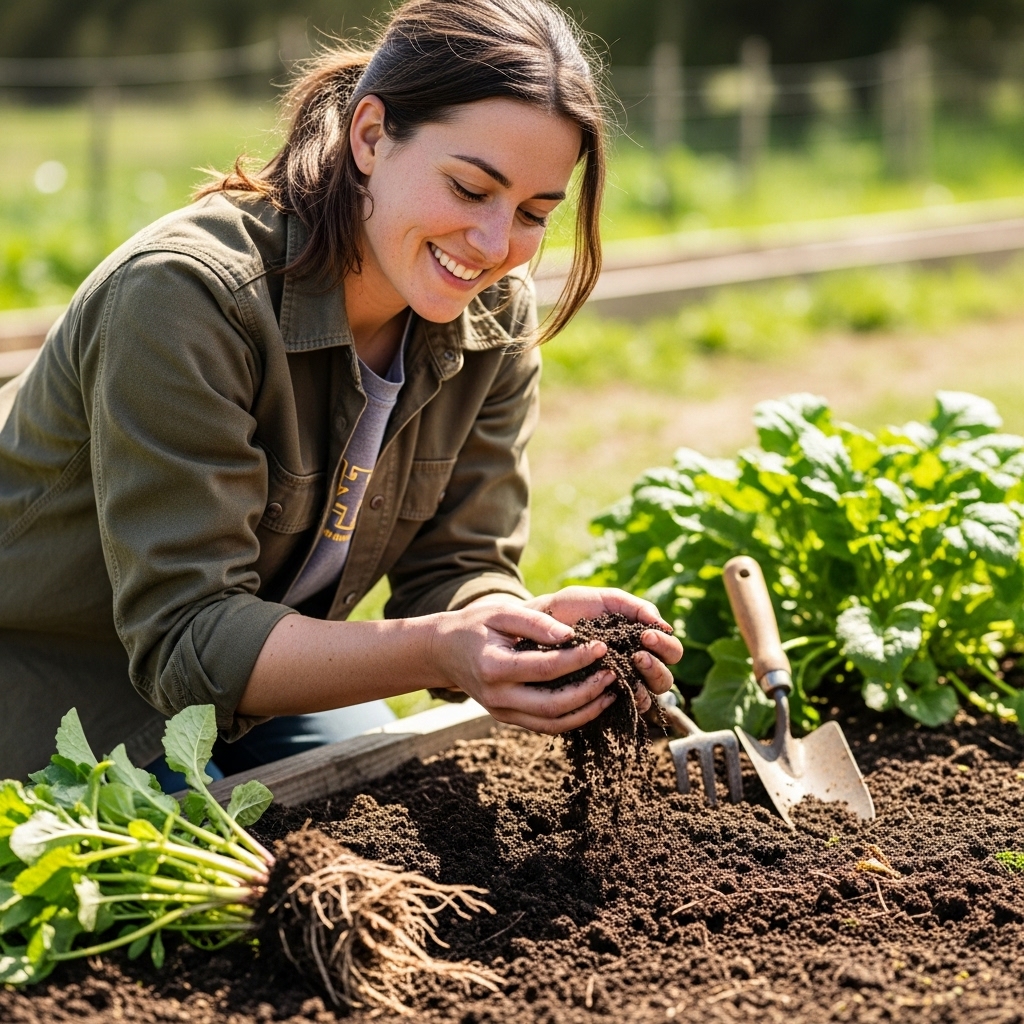

Starting Perennial Herb Seeds in Garden Beds and Containers
Establishing a resilient kitchen garden often starts with deciding whether to purchase nursery starts or grow hardy perennials directly from seed packets. While mature nursery pots offer instant greenery, starting from seed gives gardeners access to diverse botanical varieties and sturdy root systems adapted to local conditions from day one. Gardeners who want to sow and plant hardy herbs can establish versatile perennial varieties like culinary and ornamental sages across USDA Zones 4-10 with the right spacing and soil temperatures. Planning early also makes it easier to coordinate garden layouts alongside companion planting arrangements that attract pollinators and support backyard biodiversity.
The featured seed selection provides distinct heirloom cultivars of Salvia, including common culinary sage (Salvia officinalis), white sage (Salvia apiana), scarlet sage (Salvia coccinea), and blue sage (Salvia farinacea). Product specifications indicate these perennial varieties reach mature heights of 1 to 3 feet with spreads of 2 to 3 feet, requiring about 15 inches of spacing in partial shade. Reviewing details like germination timelines of 10 to 20 days and 75-day maturity windows helps growers prepare suitable garden beds or roomy patio containers before sowing.

Pros
- High germination rate, as confirmed by multiple positive reviews.
- Non-GMO and heirloom quality, supporting sustainable gardening.
- Attracts beneficial pollinators, enhancing garden health.
- Versatile for both indoor and outdoor planting.
- Great value for four distinct sage varieties in one purchase.
Cons
- White and blue sage varieties may require specific climate conditions or extra care to germinate.
- Some users reported low germination for certain varieties, especially in less ideal environments.
- Not all varieties may thrive in every USDA zone, particularly outside zones 4-10.
The Sow Right Seeds Sage Seed Collection brings together four distinct sage varieties in one affordable package: Common, Blue, Scarlet, and White sage. Designed for both indoor and outdoor planting, this set is a fantastic choice for home cooks, herbal enthusiasts, and gardeners who want to grow their own fresh herbs. Each packet contains non-GMO heirloom seeds, ensuring you get pure, unmodified plants that have been passed down for generations.
One of the standout features is the high germination rate. Many users reported sprouts within days, especially for the Blue and White varieties. The seeds are easy to plant, with clear instructions included on each packet. They thrive in partial shade and well-drained soil, making them adaptable to various garden setups. Plus, the plants attract pollinators, adding life to your garden while providing fresh leaves for cooking.
The build quality of the seed packets is solid, with large color labels that make identification simple. The company also backs their product with a germination guarantee, so if the seeds don't sprout, they'll replace them. That said, a few users noted that White and Blue sage can be finicky in certain climates, requiring extra warmth or humidity to germinate. This is something to consider if you live in a cooler or very dry area.
While most reviews are positive, a small number of customers struggled with germination across all varieties. This may be due to improper soil temperature or moisture levels, but it's worth noting that results can vary. For best success, follow the recommended planting depth and keep soil consistently moist but not waterlogged.
Overall, the Sow Right Seeds Sage Collection offers excellent value for anyone wanting to grow multiple sage types. It's a reliable choice for culinary use, and the non-GMO heirloom quality ensures you're getting a sustainable product. Just be prepared to give the White and Blue varieties a little extra attention, and you'll be rewarded with a fragrant, flavorful herb garden.
Frequently Asked Questions
Which sage varieties are included in the collection?
The collection includes four distinct varieties: Common Sage (Salvia officinalis), White Sage (Salvia apiana), Scarlet Sage (Salvia coccinea), and Blue Sage (Salvia farinacea). These non-GMO heirloom varieties offer culinary seasoning options alongside ornamental blooms that attract pollinators to outdoor borders.
How deep and far apart should you sow these sage seeds?
Plant the seeds 1/4 inch deep and space seedlings roughly 15 inches apart in garden soil. According to the supplier specifications, mature plants reach 1 to 3 feet tall with a spread of 2 to 3 feet, making adequate spacing essential to prevent overcrowding.
What soil temperature and light conditions do these hardy herbs require?
Optimal germination occurs in soil temperatures between 65 and 70 degrees Fahrenheit, typically taking 10 to 20 days. The producer recommends planting in partial shade, making them adaptable across USDA hardiness zones 4 through 10.
When can you start harvesting fresh leaves from these plants?
You can begin harvesting as soon as the young plants develop 3 or 4 sets of true leaves. While the collection reaches full maturity around 75 days, early harvesting encourages bushier growth and provides savory leaves for poultry, roasted squash, and dressings throughout 2026.
Can you grow these hardy herb seeds in patio pots or indoor planters?
Yes, these sage varieties can grow indoors or in patio containers provided the pots accommodate their 2 to 3 foot mature spread. Container growers often monitor moisture closely and consider supplemental nutrients for potted plants to sustain healthy perennial root development over multiple seasons.


Write Your Review
No reviews yet. Be the first to share your experience!