


Tackling Compacted Dirt and Persistent Garden Weeds
Bent trowel blades in rocky hard-packed soil and painful lower back strain can turn routine bed maintenance into an exhausting chore. Working through stubborn taproots or crusty topsoil with flimsy hand scrapers often leads to wasted energy and sore joints. Investing in the best garden hoes provides the mechanical leverage and sharp slicing action needed to loosen compacted dirt, ridge planting rows, and clear invasive roots without forcing you to bend over. Preparing smooth planting trenches also pairs naturally with working in slow release fertilizer for vegetable garden beds to promote steady root feeding. Based on manufacturer material specifications, blade steel construction, and verified gardener feedback, picking a hoe with reliable weld strength and an adjustable shaft keeps yard chores efficient and comfortable.
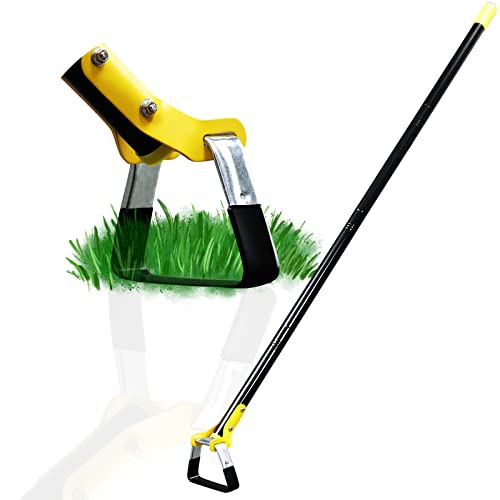
Different yard layouts demand tailored blade geometries, ranging from push-pull stirrup loops for cultivating walkways to broad draw blades for trenching. Reinforced carbon steel heads withstand rocky patches without chipping, while modular threaded poles allow you to customize working height to prevent spinal fatigue. Careful evaluation of joint stability and socket connections ensures that your selected tool will not wobble loose mid-season. This balance of durable metal construction and ergonomic control ensures swift weed management across raised beds, flower borders, and home vegetable patches.




Frequently Asked Questions
What is the main difference between a stirrup hoe and a draw hoe?
Stirrup hoes cut weeds on both the push and pull strokes beneath the soil surface, while draw hoes chop downward to pull dirt and slice roots. An oscillating or scuffle loop glides smoothly through topsoil without displacing mulch or moving large mounds of dirt. A draw hoe uses a fixed blade designed for digging furrows, hilling soil around vegetables, and chopping heavier weed stalks. Choosing between them depends on whether your primary goal is rapid weeding or moving garden soil.
Can the best garden hoes handle dense clay soil without bending?
Heavy-duty hoes with forged carbon steel heads and welded socket joints handle dense clay effectively, but modular spliced handles require firm tightening before heavy digging. Tools built with thick tubular steel or solid riveted heads resist flexing under heavy soil loads. For compacted clay, triangle blades or combination hoe-mattocks penetrate crusty ground much more easily than wide, flat blades. Keeping the blade edges sharp reduces resistance and minimizes strain on handle joints.
How do you sharpen and maintain a garden hoe blade for lasting edge retention?
Use a standard flat bastard mill file or medium whetstone to sharpen the beveled cutting edge at a 30 to 45-degree angle. Push the file across the factory bevel in smooth forward strokes while maintaining consistent contact across the steel. After cleaning away damp soil, apply a light coat of mineral oil or boiled linseed oil to prevent rust during storage. Keeping carbon steel hoes dry and free from caked mud preserves cutting efficiency across every gardening season.
What handle length is ideal for reducing back and knee strain while weeding?
An overall handle length between 55 and 70 inches allows most gardeners to work standing upright with relaxed shoulders. Adjustable splicing handles let you customize the shaft length to match your height, eliminating continuous bending and spinal fatigue. Shorter lengths around 30 to 40 inches provide closer control when weeding in elevated raised beds or tight garden corners. Proper upright posture lets your body weight drive the tool rather than your lower back muscles.
When should you use a garden hoe versus a hand trowel or cultivator?
Garden hoes are best for clearing broad swaths of weeds, making long furrows, and aerating wide beds from a standing position. Hand tools work better for tight transplanting tasks, such as setting young starts into soil amended with organic fertilizer for vegetable seedlings. A multi-tine cultivator or stirrup hoe disturbs the top inch of dirt to kill weed seedlings before they take root. Combining a long-handled hoe for row maintenance with compact hand tools for close-quarters planting keeps bed care efficient.


Write Your Review
No reviews yet. Be the first to share your experience!