


Fence posts snapping at the ground line from fungal decay remains one of the most frustrating failures for any homeowner. Traditional pressure-treated timber posts soak up moisture from saturated soil, eventually rotting out until high winds push the entire fence line over. Combining steel pipe posts with natural wood or composite fence boards solves this problem permanently by keeping structural metals below ground while preserving rich natural grain aesthetics above. Property owners upgrading their perimeter lines routinely turn to the Best Wood And Metal Fence setups to lock in structural longevity without sacrificing backyard warmth. Heavy-duty galvanized pipe brackets and slotted aluminum posts anchor framing securely, eliminating the hassle of replacing rotted timber footings every few seasons.
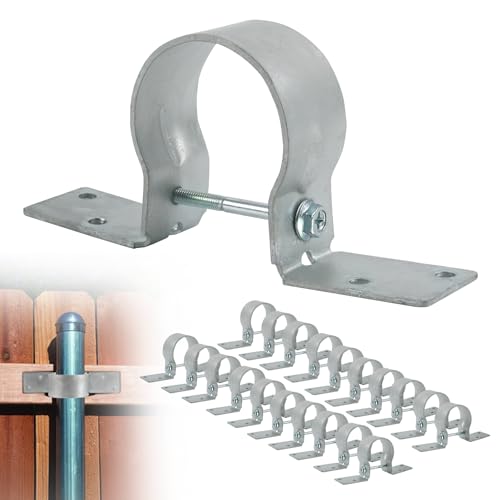
Securing wooden rails to round steel posts requires durable hardware that clamps tight without slipping or splitting the lumber under wind load. Deep-seated surface mounts and powder-coated metal posts keep boundary fences upright on patios, retaining walls, and uneven slopes. Installing heavy posts and digging footings can easily tear up adjacent grass, so repairing damaged turf with a quality lawn fertilizer for clay soil helps lawn borders recover quickly once construction wraps up. Reviewing manufacturer metal gauge thickness, protective coatings, and fastener compatibility ensures your new hybrid boundary resists outdoor weathering and sagging for decades.


Frequently Asked Questions
Why should you combine metal posts with wood fence boards instead of using all-wood posts?
Steel posts eliminate ground-contact rot and post failure entirely. Traditional wooden posts commonly decay at the soil transition point due to moisture and soil organisms, whereas galvanized steel or aluminum posts resist rot indefinitely. Using metal support posts with wood stringers gives you the structural wind resistance of commercial metal fencing alongside the organic beauty and complete privacy of wood pickets.
What diameter steel post is standard for building a hybrid wood and metal fence?
A 2-3/8-inch outer diameter galvanized steel pipe is the primary residential standard for wood-to-metal fencing. This post diameter matches standard heavy-duty pipe grip brackets like those from SupConn and Wmebee, offering rigid resistance against strong wind gusts on six-foot privacy panels. Smaller 1-5/8-inch metal posts work well for decorative garden boundaries or lightweight screens, but 2-3/8-inch pipe provides superior stiffness for full privacy boards.
How many wood-to-steel brackets are needed per fence post?
Standard six-foot privacy fences require three wood-to-steel brackets per post. Attaching brackets to the top, middle, and bottom horizontal 2×4 rails distributes wind shear evenly across the steel post. While short four-foot fences can hold with two brackets per post, using three rails prevents wood pickets from twisting or cupping over time.
Will galvanized metal brackets react chemically with pressure-treated lumber?
Yes, modern lumber preservatives with high copper levels can cause galvanic corrosion on inferior hardware. Using hot-dip galvanized steel brackets forms a robust zinc barrier that resists the corrosive salts found in treated wood framing. Pairing heavy galvanized pipe ties with exterior-grade coated screws prevents premature rusting and unsightly dark tannin staining down your fence pickets.
How do you restore lawn edges disturbed during metal fence post footing installation?
Spreading screened topsoil and applying a proper fertilizer for ryegrass rapidly re-establishes dense grass along newly excavated post holes. Digging deep post footings and pouring concrete footers inevitably displaces dirt and leaves bare patches along the fence line. Applying balanced nutrients encourages rapid root anchoring so your turf quickly fills in the perimeter gaps.
Can aluminum fence posts hold composite and wood boards without pre-drilling?
Slotted aluminum posts like the Tafbrik heavy-duty system hold composite and wood boards securely without driving screws through the face of the boards. Engineered vertical grooves allow horizontal boards up to 0.8 inches thick to slide directly down into the post channels. This channel design allows boards to expand and contract naturally during seasonal temperature shifts without buckling or splitting.




Write Your Review
No reviews yet. Be the first to share your experience!