


If you’ve ever dreamed of a fragrant wisteria canopy draped over your pergola or fence, you already know that timing is everything. Planting at the wrong moment can leave your vine struggling against frost or heat, while the right window helps roots settle in fast. Best time to plant wisteria isn’t just about the calendar – it’s about syncing with your local climate, soil warmth, and seasonal moisture. Whether you’re a beginner or have some gardening experience, getting this right sets the stage for those stunning purple cascades year after year.
Many gardeners get tripped up by planting too early in spring or too late in fall. Wisteria needs that sweet spot where the soil is workable but not waterlogged, and the risk of hard frost has passed. For most zones, that means early spring (after the last frost) or early autumn (when the soil is still warm but the air is cooling). 8 products in this guide can help you get started, from cold-hardy vines to fast-growing seedlings. We’ll also cover soil prep, support structures, and the common mistakes that even seasoned plant lovers make. Ready to turn your garden into a fragrant showstopper? Let’s dig in.

Pros
- Non-invasive variety that won't take over your yard
- Fast growth rate for quick coverage
- Fragrant blooms attract pollinators
- Can be trained as a vine, shrub, or small tree
- Cold hardy and drought tolerant once established
Cons
- Not evergreen - loses leaves in winter for dormancy
- Requires full sun for abundant flowering (partial shade reduces blooms)
- Does not ship to CA, AZ, HI, or AK due to agricultural restrictions
The Perfect Plants Amethyst Falls Wisteria Vine is a standout choice for gardeners who love cascading purple flowers but worry about wisteria's aggressive reputation. This American hybrid (Wisteria frutescens) is non-invasive, unlike its Chinese counterparts, making it a safe and responsible addition to your landscape. Whether you want to dress up a trellis, fence, arbor, or even prune it into a small tree, this 1-gallon live shrub gives you a head start on a fast-growing perennial that rewards you with fragrant blooms in late spring and early summer.
One of the biggest selling points is its growth habit. Amethyst Falls puts on 3 to 5 feet of new growth each year when planted in full sun and given a sturdy support. The flowers are a beautiful purple with a sweet fragrance that attracts butterflies, hummingbirds, and bees. Unlike other wisteria varieties that can take years to bloom, this one often flowers in its second season after planting. It's also relatively easy to maintain: water consistently, fertilize in early spring, and deadhead spent blossoms to encourage reblooming.
In terms of build and design, the plant arrives rooted in a 1-gallon pot with a healthy root system, ready for outdoor planting. It's grown from cuttings in a greenhouse, so you get a true-to-type plant with predictable traits. The vine is cold hardy in USDA zones 5 through 9, meaning it can handle winter temperatures down to -20°F. However, it is not evergreen — it will lose its leaves in winter to go dormant, which is normal and necessary for next season's growth.
There are a few drawbacks to consider. The most obvious is that this plant needs full sun for maximum flowering; too much shade and you'll get fewer blooms. Also, if you live in California, Arizona, Hawaii, or Alaska, you won't be able to order it due to state agricultural restrictions. It also requires regular watering until established, though it becomes drought tolerant over time. And while it's non-invasive, it still needs a strong trellis or support to climb.
Overall, the Perfect Plants Amethyst Falls Wisteria is an excellent choice for gardeners seeking a fast-growing, flowering vine without the invasiveness. It's ideal for covering pergolas, fences, or creating a privacy screen with seasonal color. Backed by a solid nursery reputation and shipped with care, this vine is a reliable investment for any sunny spot in zones 5-9.
| Brand | PERFECT PLANTS |
| Color | Beautiful Purple Flowers During Spring & Summer |
| Item Weight | 10 Pounds |
| Unit Count | 1.0 Count |
| USDA Hardiness Zone | 5, 6, 7, 8, 9 |
| Expected Plant Height | 15 Feet |
| Sunlight Exposure | Full Sun |
| Soil Type | Loam Soil |
| Moisture Needs | Regular Watering |
| Special Feature | Attracts Pollinators, Drought Tolerant, Extended Bloom Time, Fragrant, Rabbit Resistant |
| Expected Blooming Period | Summer |
| Product Care Instructions | Water consistently, fertilize in early spring, deadhead spent blossoms |
| Expected Planting Period | Spring |
| Product Dimensions | 6 x 6 x 12 inches |
| Indoor/Outdoor Usage | Outdoor |
Pros
- Formulated specifically for wisteria, not a general all-purpose fertilizer
- Liquid form absorbs quickly and is easy to apply
- Balanced nutrition supports flowers without excessive leafy growth
- Made in the USA with clear instructions
Cons
- Only 8 ounces, which may require multiple bottles for large or multiple wisteria plants
- No customer reviews yet to confirm real-world performance
- Liquid fertilizer requires more frequent application compared to slow-release granules
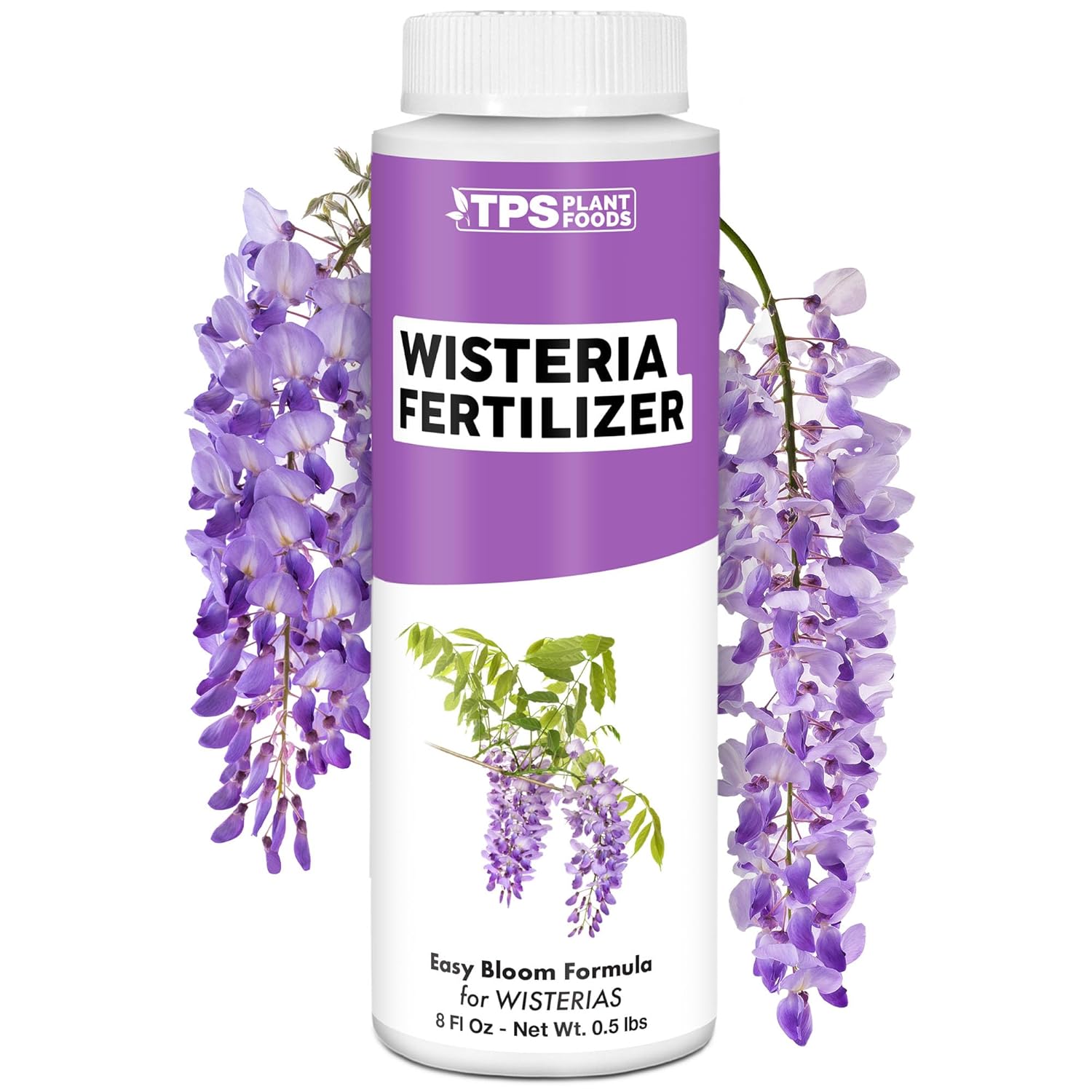
The TPS Plant Foods Wisteria Fertilizer is a liquid plant food designed specifically for wisteria vines. Whether you have a young plant just starting to climb or a mature vine that needs a boost, this fertilizer aims to support more flowers and healthier foliage. It's a targeted product for gardeners who want to get the most out of their wisteria display.
The standout feature is the balanced NPK ratio and added micronutrients, which are formulated to encourage blooming rather than just leafy growth. Many general fertilizers can push too much nitrogen, leading to lots of leaves but few flowers. This one is made to avoid that problem. The liquid form is convenient: you mix it with water and apply with a watering can or hose-end sprayer. It absorbs quickly, so the plant gets the nutrients fast.
Build quality is solid for a liquid fertilizer. The bottle is a standard 8-ounce size with a clear label and easy-to-follow mixing instructions. It's made in the USA, which may matter to some buyers. The only potential drawback is the bottle size: for a large arbor or multiple wisteria plants, you might need more than one bottle per season. Also, as a liquid, it requires more frequent application than a slow-release granular option.
There are no customer reviews yet, so we can't confirm long-term results from other users. However, the formulation looks sound for the specific needs of wisteria. If you're looking for a fertilizer that's tailored to your wisteria and easy to use, this is a good bet. It's not a miracle product, but it should help your vines produce more of those beautiful cascading blooms.
Verdict: A smart choice for wisteria enthusiasts who want a specialized liquid feed. It's easy to apply, well-formulated, and made in the USA. Just plan on buying extra if you have a large planting.

Pros
- Highly fragrant blooms add delightful scent to outdoor spaces.
- Versatile growth habit allows use as a vine or tree.
- Seasonal foliage color change provides year-round interest.
- Full sun and moderate water requirements are easy to meet.
- Live plant in pot simplifies initial care and transplanting.
Cons
- No customer reviews yet, so long-term performance is unconfirmed.
- Advertised blooming period is fall, while most wisterias bloom in spring; check your region's suitability.
- Plant is only 6-12 inches tall at delivery, requiring patience to reach maturity.
AKTRD's Purple Wisteria Tree brings a classic garden beauty to your yard with its iconic purple blossoms and sweet fragrance. This live plant comes in a pot at 6-12 inches tall, ready to be transplanted. It is ideal for gardeners who want to add vertical interest to a sunny garden, whether trained as a vine on a trellis or pruned into a small tree. Beginner-friendly, it requires minimal effort to establish.
The standout feature is undoubtedly the fragrant purple flowers that wisteria is famous for. The green foliage also turns a pleasant yellow in the fall, extending its visual appeal. The plant's ability to grow either as a vine or upright tree gives you flexibility in design. It thrives in full sun with moderate watering, making it a low-maintenance choice for most garden settings.
As a live plant shipped in a pot, it arrives well-protected and ready to transplant. AKTRD Nursery emphasizes careful selection, so the plant should be healthy upon arrival. However, being only 6-12 inches tall means it will take some time to reach full size and bloom profusely. Patience is required.
We must note some potential issues. The product has no customer reviews, making it hard to gauge reliability. Also, the expected blooming period is listed as fall, which contradicts typical wisteria that blooms in spring. This could be a mislabel or a specific variety, so verify with your local climate. Finally, the small starting size means it won't provide instant impact.
All in all, this wisteria plant offers the classic beauty and fragrance you expect at a reasonable price. If you are willing to wait and have a sunny spot, it can be a rewarding addition. Just be mindful of the lack of reviews and the unusual blooming season before purchasing.

Pros
- Blooms repeatedly from early summer to fall
- Exceptional cold tolerance for harsh winters
- Intense, sweet fragrance that carries through open windows
- Attracts pollinators like hummingbirds and butterflies
- Low maintenance once established with little pruning needed
Cons
- Requires a very sturdy support structure to hold its heavy vines
- May take one or two seasons to reach full blooming potential
- Needs full sun for best flowering; partial sun can reduce bloom count
The Blue Moon Wisteria is a standout cultivar of Kentucky Wisteria bred for extreme cold hardiness and repeat blooming. Unlike many wisteria varieties that struggle in northern climates, this vine handles temperatures as low as -40 degrees Fahrenheit without damage to its flower buds. It is a great choice for gardeners in USDA zones 4 through 9 who want a showy, fragrant vine that keeps blooming all summer long.
The most impressive feature is its three flush blooming cycle. The first wave of lilac-blue flower clusters appears in early summer, each raceme up to 12 inches long and packed with a sweet, addictive fragrance. After a short rest, the vine blooms again, and then a third time, providing months of color and scent. This performance is rare among wisteria and makes it a true focal point in any garden. The flowers also attract hummingbirds and butterflies, adding lively movement to your outdoor space.
In terms of growth, Blue Moon is vigorous and fast. It can reach 25 feet in a few seasons, so plan for a sturdy support like a pergola, arbor, or heavy-duty trellis. The vine is easy to maintain; it requires no regular pruning and only light trimming after the final bloom if needed. However, be prepared to provide full sun and well-drained soil enriched with organic matter for the best results. The included branded tag and packaging confirm this is a nursery-grown plant with good roots.
One potential drawback is the weight of mature vines. Once established, the heavy wood can stress flimsy supports, so invest in a strong structure from the start. Also, while it blooms freely, young plants may take a couple of years to hit their stride. Finally, although this is a native cultivar, it still has the potential to spread if not given enough room; regular monitoring is wise. But overall, the Blue Moon Wisteria delivers rare cold tolerance and outstanding floral performance that very few other wisteria can match.
Verdict: If you live in a cold winter area and have a sturdy spot for a large, fragrant vine, this is the wisteria to buy. Its triple blooms and hardiness set it apart, and the constant hum of pollinators only adds to its charm. For a low-maintenance, high-impact climber, Blue Moon is an excellent investment.
Pros
- Affordable price for 10 seeds, making it a low-cost entry to growing wisteria
- Can produce the iconic purple wisteria blooms that gardeners love
- Wisteria is a classic vine with elegant cascading flowers for timeless garden beauty
Cons
- Mixed reviews on germination success - some users had zero seeds sprout
- Seeds require scarification and cold stratification for best results, which adds effort
- Potential seed viability issues reported - not all seeds may be viable
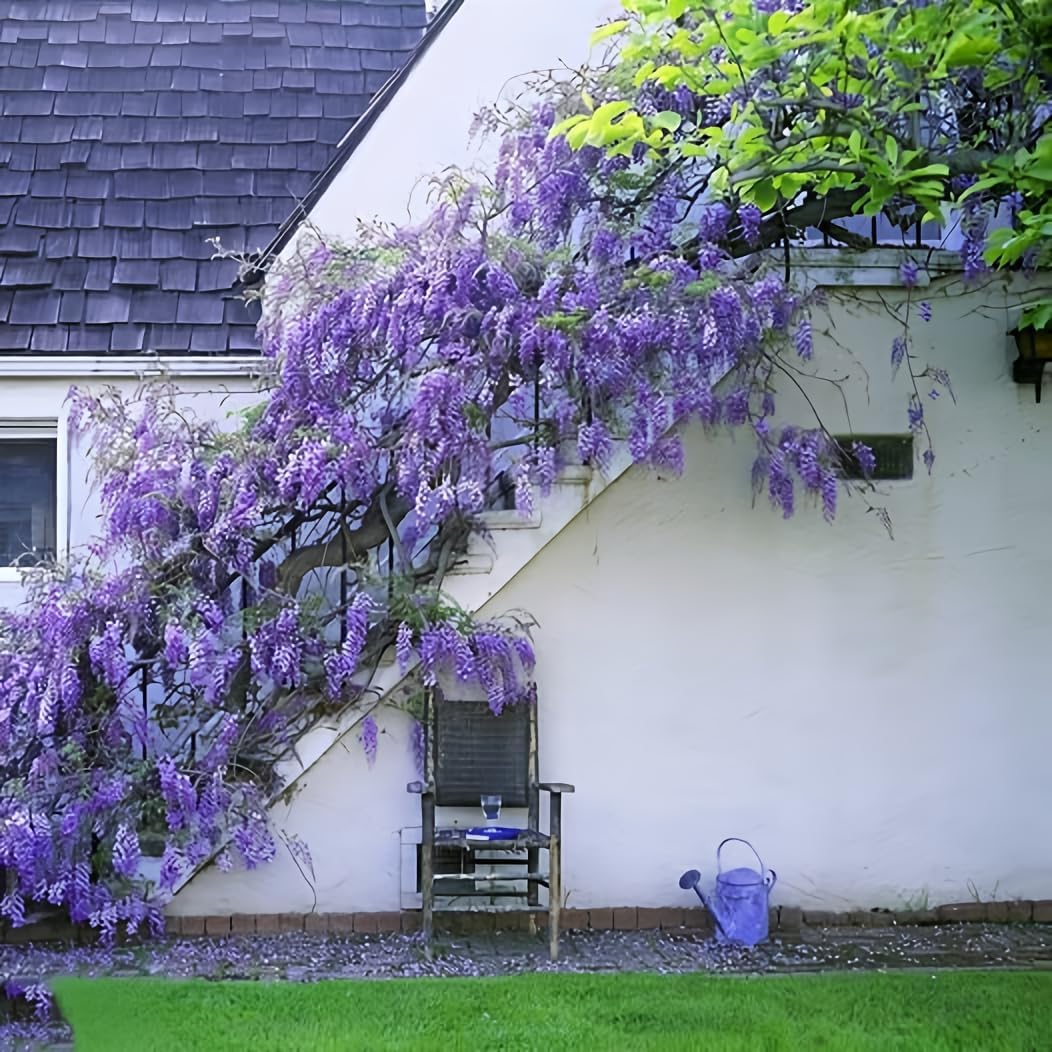
These Japanese Wisteria Floribunda seeds promise to turn your garden into a purple paradise with cascading blooms, but the reality is a bit more mixed. This pack of 10 seeds is aimed at home gardeners who enjoy the challenge of growing vines from scratch, especially those looking for an affordable way to add a classic ornamental climber to their landscape. However, be warned: success depends heavily on proper seed preparation and a bit of luck.
The standout feature is, of course, the potential for those breathtaking purple flower clusters that wisteria is famous for. When they do germinate, the vines can grow quickly and fill a trellis or arbor with lush foliage and fragrant blooms. Real-world performance, according to reviews, varies widely. Some buyers report all seeds sprouting within two weeks and strong growth, while others saw zero germination despite following instructions. This suggests inconsistent seed quality or viability.
The build and quality here are minimal - these are generic seeds in a simple pack, with no special treatment or guarantees. That's expected at this price point, but it means you are taking a chance. The instructions recommend scarification and cold stratification, which are necessary for wisteria seeds, but even with proper technique, some seeds may simply be non-viable.
A major drawback is the number of negative reviews citing total germination failure. While some gardeners succeed, the risk is real. If you are patient and willing to experiment with pre-treatment methods, this could be a fun project. But if you want reliable results, buying a potted wisteria plant from a nursery is a safer bet.
Overall, these seeds are a gamble. They can yield a beautiful vine, but the inconsistent germination rates make them better suited for adventurous gardeners who enjoy the process. For everyone else, consider this a low-cost experiment rather than a sure thing.

Pros
- Cold hardy down to zone 3, surviving harsh winters that would kill other wisteria varieties
- Attractive to hummingbirds and other pollinators, adding life and movement to your garden
- Rapid growth once established, often shooting up several inches per day in peak season
- Low maintenance requires only moderate watering and occasional pruning to shape
- Beautiful, sweetly scented blue-purple flowers that bloom in spring and early summer
Cons
- Arrives in a dormant state that can look like a dead stick; some buyers may be concerned until growth begins
- Plant size at arrival is sometimes smaller than the advertised 8-11 inches, with variable branching
- Can be invasive if not managed properly; recommended to grow in containers or monitor root spread closely
The Blue Moon Wisteria Tree from Seeds*Bulbs*Plants*&More is a dormant live plant that delivers on its promise of gorgeous, fragrant blooms if given a little patience. This product is ideal for gardeners in zones 3-9 who want a hardy perennial that attracts hummingbirds and adds a romantic, cottage-garden feel to trellises, arbors, or fence lines. At around $14, it's a budget-friendly way to add long-term beauty to your landscape.
Real-world performance is exactly what you'd expect from a dormant wisteria: it arrives as a bare-root stick with a well-packaged root ball, but once planted, it takes off. Customer reviews consistently mention that even a seemingly dead twig bursts into rapid growth within weeks. One reviewer in Florida reported growth of six inches per day after establishment, while another in Hawaii saw pale leaves turn vibrant green under partial sun. The plant tolerates part to full sun and prefers moderate watering, making it straightforward to care for. The fragrant blue flowers (often described as a soft blue-purple) are a major draw, and they appear reliably from spring to summer once the plant matures.
Design and build quality are simple but effective. The plant is shipped bare-root, wrapped to retain moisture, and arrives in a dormant state to survive transit. Some buyers noted that the stem length was closer to 5 or 6 inches rather than the advertised 8-11, but the root ball is generally healthy. The packaging is praised for keeping the plant moist and intact even during three-day shipping. The seller clearly knows how to ship live plants, though the variable size can be a minor disappointment.
Drawbacks are worth noting honestly. The dormant appearance can be startling; many first-time buyers thought they received a dead stick. A few negative reviews described broken or shorter stems, and one reviewer received a plant without the container (plant adjacent). Additionally, wisteria is known to be invasive in some regions if left unchecked. The product description doesn't stress this, but several reviews warn about planting directly in ground near other trees. To avoid future problems, consider growing in a large container or using root barriers.
Overall, the Blue Moon Wisteria Tree earns a solid recommendation for its value and performance. It delivers stunning flowers, is easy to grow, and is surprisingly cold-hardy. If you're a gardener looking for a fast-growing, fragrant vine that attracts hummingbirds and can withstand zone 3 winters, this plant is a great pick. Just be patient with the dormant start and plan to manage its growth. With proper care, you'll be rewarded with years of beautiful blue blooms.

Pros
- Fragrant blooms that add a dramatic, romantic feel to any garden.
- Vigorous growth habit covers structures quickly for instant impact.
- Attracts pollinators like bees, butterflies, and hummingbirds.
- Well-packaged with moist roots; many customers reported healthy plants upon arrival.
- Good value for two plants at this price point.
Cons
- Plants arrive bareroot and dormant; they may look like dead sticks and require soaking and patience to revive.
- In some cases, one of the two plants may fail to survive, as noted in a few reviews.
- Wisteria can become invasive if not pruned regularly; it needs a sturdy support structure.
If you are looking to add a classic, romantic climbing vine to your garden, the 2 Blue Flowering Chinese Wisteria Vines (Wisteria sinensis) are a solid pick. This 2-pack of bareroot plants is aimed at gardeners who want a fast-growing vine that produces show stopping clusters of fragrant lavender-blue flowers. Whether you have an arbor, trellis, or pergola, these vines are designed to cover it quickly and create a picturesque focal point.
The standout feature here is the bloom display. Each vine produces cascading racemes that smell sweet and draw in bees, butterflies, and hummingbirds. Based on customer experiences, the plants often arrive looking dormant (bare sticks with roots), but with a good soak in water and a week of patience, they typically sprout leaves and take off. Many reviewers were pleasantly surprised at how fast they grew once planted in good soil and full sun.
The plants are shipped bareroot, which is standard for dormant vines. They measure 12-18 inches tall and come wrapped to keep the roots moist. Packaging gets positive marks from buyers, with roots arriving well saturated. The included instruction sheet is helpful for first-time wisteria growers. Keep in mind these are hardy in zones 5-9 and prefer full sun. They are also drought tolerant once established, so you won't need to baby them forever.
On the downside, don't expect instant gratification. A few customers reported receiving one dead plant. While most plants revived after proper care, there is some risk with bareroot stock. Also, wisteria is a vigorous grower. It can become invasive if you don't prune it annually, and it needs a strong support system to handle the weight of mature vines. This isn't a plant you can set and forget.
Overall, this is a good value for two plants if you have the space and patience. The blooms are worth the wait, and the fast growth means you will see results in a season or two. Just be prepared to give them a little extra attention at the start, and you will be rewarded with a stunning, fragrant display.

Pros
- Produces the largest flower racemes of any wisteria type, up to 3 feet long
- Fast-growing and easily trained to shape, suitable for fences, arbors, or bonsai
- Thrives in a broad range of climates (zones 4-10) with sun to part shade
- Attracts bees, butterflies, and hummingbirds to support local pollinators
- Fragrant blooms make excellent cut flowers for indoor displays
Cons
- Seeds may require patience: germination can be slow and plants might take years to flower
- Needs consistent soil warmth (around 70F) to germinate successfully, which may require indoor starting in cooler climates
- Can become invasive if not pruned regularly; best for those willing to manage its growth
The Japanese Wisteria Floribunda is a classic ornamental vine known for its spectacular, cascading flower clusters. This seed pack from ZEshops offers 10 seeds of the lavender purple variety, which boasts the largest racemes of any wisteria type - up to 3 feet long. It's an excellent choice for gardeners seeking a dramatic, fragrant addition to trellises, arbors, or even bonsai projects.
Standout features include the sheer size of the blooms and the vine's fast growth rate. The flowers attract bees, butterflies, and hummingbirds, making it a pollinator-friendly choice. The plant is hardy in USDA zones 4-10 and adapts to average soil with regular water and sun to part shade. You can train the vine to climb or prune it to a smaller shape, giving you control over its form.
In terms of design and build quality, the seeds come in a simple packet with clear instructions. Germination requires warm soil (70F) and patience - wisteria seeds often need stratification or scarification to sprout. Once established, the vine grows vigorously and may take a few seasons before blooming. That's typical for wisteria grown from seed, so don't expect flowers in the first year.
Potential drawbacks include the need for consistent care to prevent invasiveness - this vine can spread aggressively if not pruned. Also, the long wait for blooms might test some gardeners' patience. But for those willing to manage its growth, the payoff is a stunning display year after year.
Overall, these seeds are a great value for anyone looking to cultivate a classic Japanese wisteria. They're ideal for hobbyists who enjoy training vines and can offer the time and space this plant needs. With the right conditions and care, you'll be rewarded with breathtaking lavender purple flowers that transform your garden.
Frequently Asked Questions About Planting Wisteria
Here are some common questions gardeners have about when is best time to plant wisteria and how to set it up for success.
Can I plant wisteria in the summer?
Summer planting is possible but risky. The heat can stress young vines, especially if you don’t keep up with consistent watering. If you must plant in summer, choose a cooler spell and provide shade for the first few weeks. Many gardeners prefer spring or early fall for a smoother start. For more tips on seasonal planting, check out our guide on when is best time to plant summer flowers.
How do I prepare the soil before planting wisteria?
Wisteria thrives in well-drained, loamy soil with a slightly acidic to neutral pH. Mix in plenty of compost or aged manure a few weeks before planting. This improves drainage and adds nutrients that support strong root growth. Avoid heavy clay soils that can waterlog the roots. Good soil prep is just as important as the planting date itself.
What’s the best way to support a wisteria vine?
Wisteria needs a sturdy support structure like a heavy-duty trellis, pergola, or arbor. The vines grow thick and heavy over time, so flimsy supports can collapse. Train the main stems early by wrapping them around the support, and prune lateral shoots to keep the shape manageable. For fast coverage while your wisteria matures, consider a quick-growing fence cover plant.
Should I fertilize wisteria at planting time?
It’s best to avoid high-nitrogen fertilizers at planting, as they can encourage leafy growth at the expense of flowers. Instead, use a balanced, slow-release fertilizer or one with higher phosphorus to support root and bloom development. Some gardeners also use a specialized wisteria fertilizer like the TPS product in our list to give vines a targeted nutrient boost.
How long does it take for a new wisteria to bloom?
Patience is key. Wisteria grown from seed can take 10 to 15 years to flower, while grafted or layered plants often bloom within 3 to 5 years. Proper planting timing, full sun, and regular pruning can speed things up. If you’re eager for quick results, look for named cultivars like ‘Blue Moon’ or ‘Amethyst Falls’ that are known for earlier flowering. For more on starting plants from seed, see our article on how to plant a clematis bulb for similar techniques.


Write Your Review
No reviews yet. Be the first to share your experience!