


Depleted soil often starves plants of critical micronutrients, even when standard nitrogen, phosphorus, and potassium inputs seem balanced. Weathered garden beds and heavily cropped soils regularly lose vital elements like calcium, magnesium, silica, and iron over successive growing seasons. Selecting the best organic trace mineral fertilizer helps solve this invisible deficiency by restoring broad-spectrum minerals straight to the root zone. Gardeners pairing mineral amendments with quality organic plant food options often notice improved plant vigor and resilient growth without synthetic chemical buildup.
Evaluating mineral amendments requires looking closely at particle size, source origin, and solubility. Micronized powders dissolve efficiently in water agitation systems or blend smoothly into potting soils, while granulated forms spread evenly through standard drop or broadcast spreaders without creating dense dust clouds. Pure volcanic ash deposits like Azomite provide dozens of naturally occurring elements, whereas kelp meal supplements vital potash and natural plant growth hormones. Examining certified inputs ensures your soil receives genuine trace elements tailored for vegetable plots, fruit trees, raised beds, or lawns.






Frequently Asked Questions
What makes volcanic deposits like Azomite effective as a trace mineral source?
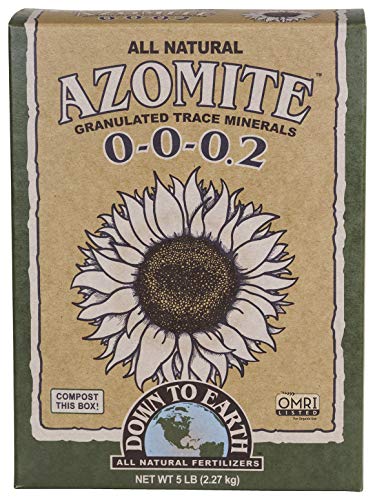
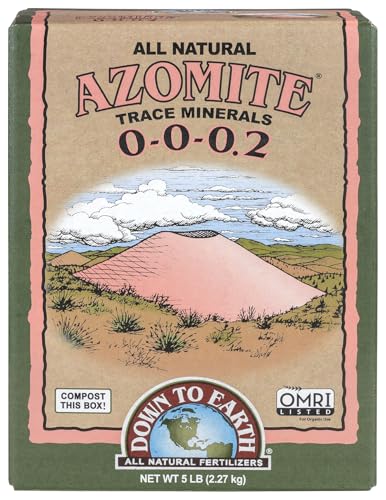
Azomite derives from ancient volcanic ash settled into prehistoric seabed deposits, providing a natural spectrum of over 70 trace minerals. These deposits contain hydrated sodium calcium aluminosilicate, supplying micronutrients that typical agricultural soils lose over time. The porous mineral structure supports soil microbial balance and moisture retention. It feeds the soil substrate without significantly altering soil pH when applied as directed.
How does micronized trace mineral powder differ from granulated formulas?
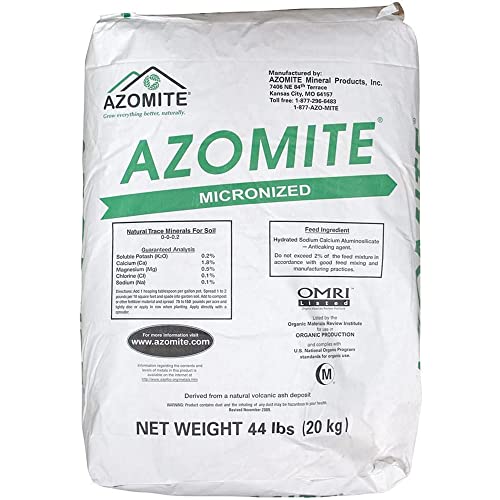
Micronized powder is milled to an ultra-fine consistency where 90 percent passes through a 200-mesh screen, while granulated minerals form low-dust pellets. The fine powder dissolves easily during irrigation injection or potting soil blending. Granulated minerals work best in broadcast spreaders across lawns and garden rows. Gardeners managing turf often prefer granules over fine powders for clean distribution alongside lawn fertilizers designed for straightforward spreading.
Can trace mineral fertilizers burn delicate plant roots or seedlings?
Natural organic trace mineral amendments such as Azomite and kelp meal have very low burn potential because they lack high synthetic salt concentrations. Kelp meal carries a gentle guaranteed analysis of 1-0.1-2, providing slow-release nitrogen and potassium. Volcanic minerals supply micronutrients rather than concentrated macronutrients. Following the manufacturer label rate prevents nutrient imbalance while providing safe nutrition for seedlings and mature plants.
How frequently should organic trace minerals be applied to garden beds?
Most growers apply trace minerals once or twice per growing season during spring bed prep or fall soil conditioning. Vegetable and flower gardens generally utilize half a pound per 100 square feet, or half a pound per 200 linear feet of row. Because mineral rock dust breaks down gradually in the soil profile, frequent reapplication is unnecessary. Applying with compost or potting soil helps incorporate minerals into the root zone.
What is the difference between kelp meal and rock mineral fertilizers?
Kelp meal is harvested North Atlantic seaweed supplying organic potassium, amino acids, and plant hormones, whereas rock minerals supply broad volcanic elements without macronutrients. Kelp meal specifically helps alleviate plant stress and stops transplant shock. While growers often supplement with concentrated liquid plant nutrients, kelp and volcanic rock minerals provide soil conditioning that synthetic feeding cannot match. Using both products together gives plants vital trace support.


Write Your Review
No reviews yet. Be the first to share your experience!